
Metal Roofing and siding trims & flashings in Middle Tennessee
Trims and Flashing
The Finishing Touch for Unmatched Protection
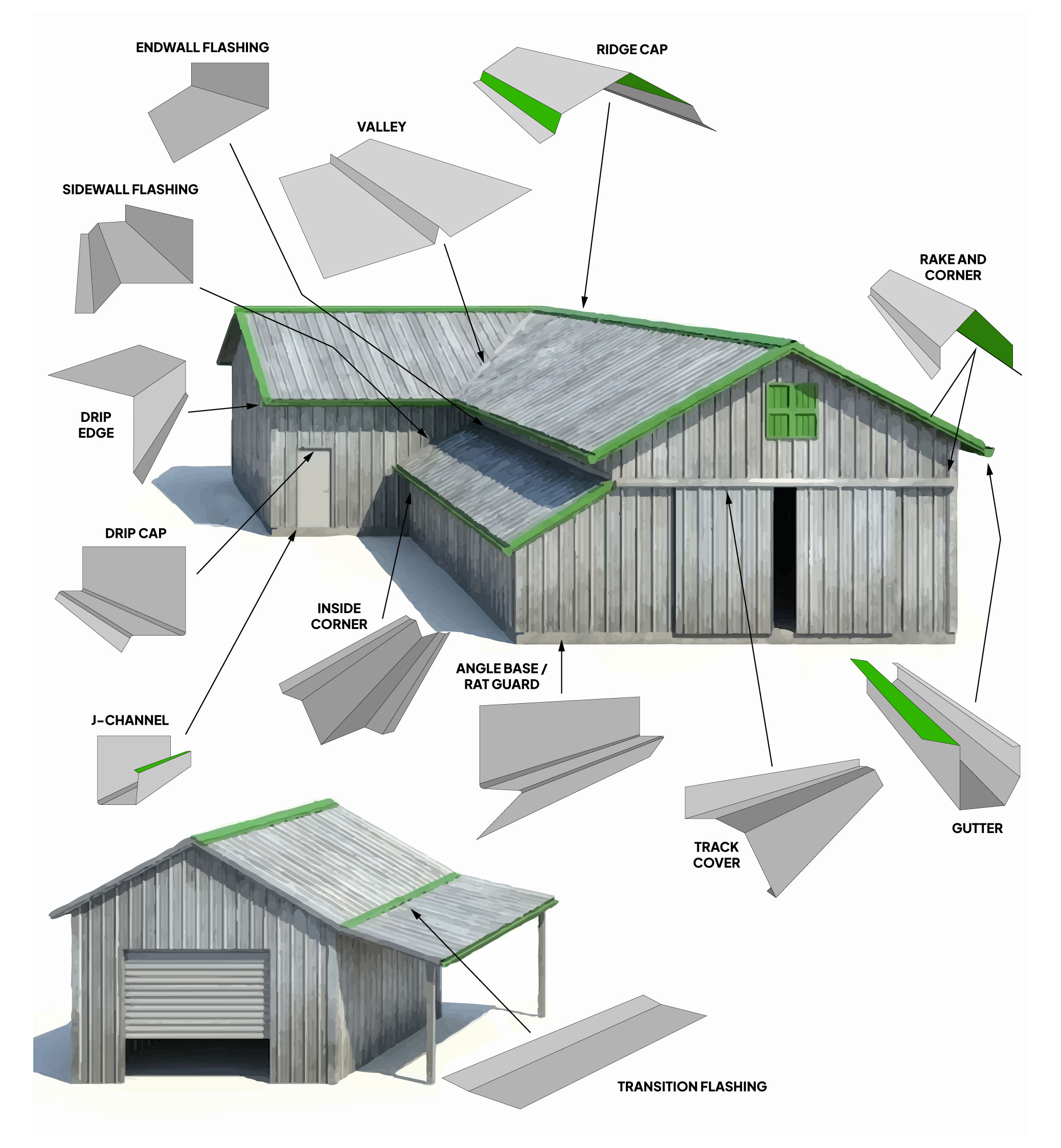
Metal roofing & siding trims and flashing are essential components of any metal roofing or siding system. While they provide the clean, finished look that enhances a building’s aesthetic appeal, their most critical function is to seal the building envelope and prevent water, dirt, sand, and other foreign debris from entering the structure.
Trims and flashing are specifically designed to protect the most vulnerable areas of a roof, ensuring that every seam, joint, and edge is a watertight barrier against the elements.
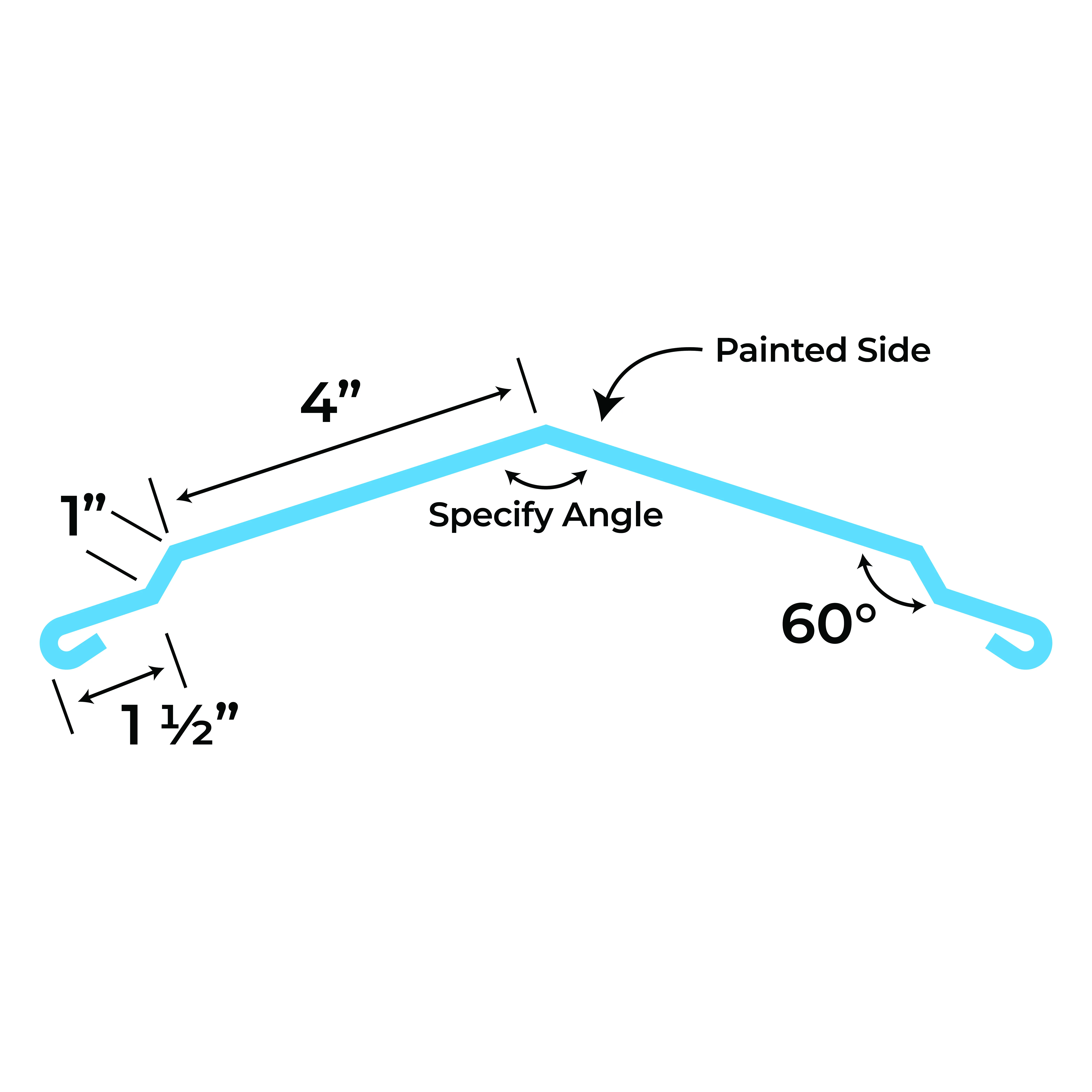
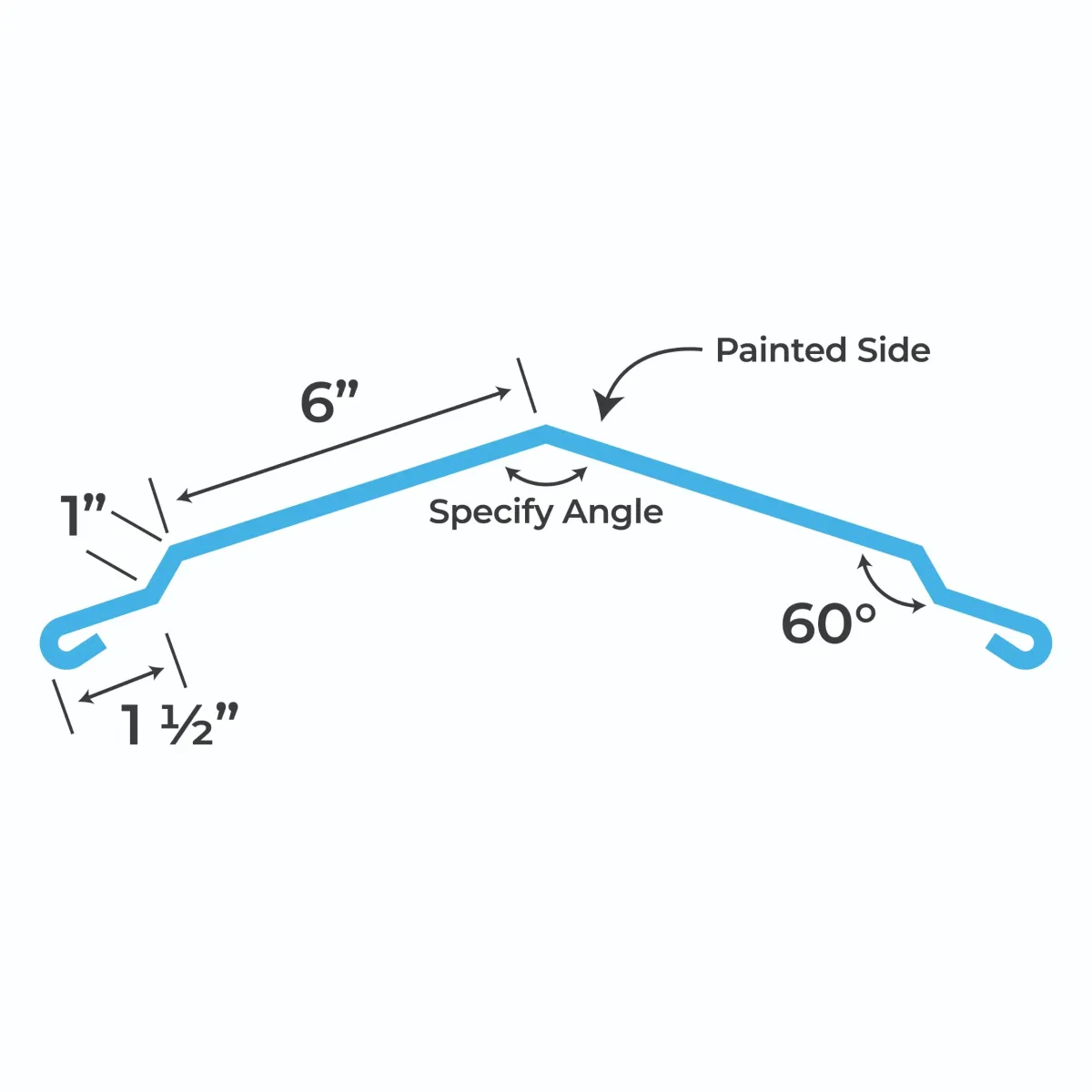
Ridge Cap
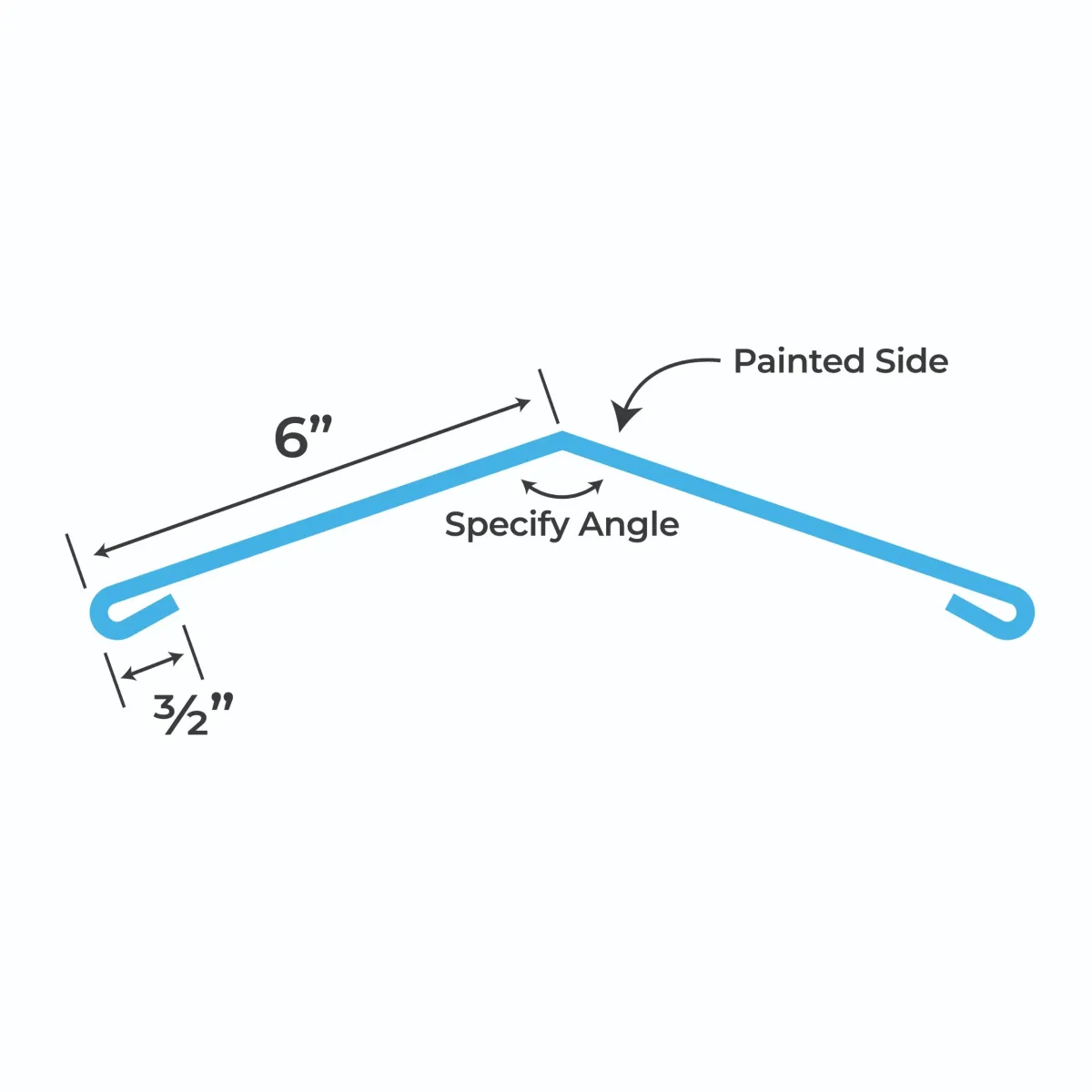
Used on top of the ridge line or hip of the roof. The Ridge Cap sits on top of the rib to allow adequate space for ventilation when used with a ventilated closure strip.
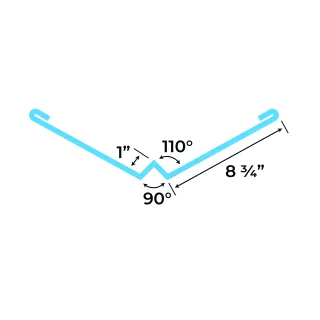
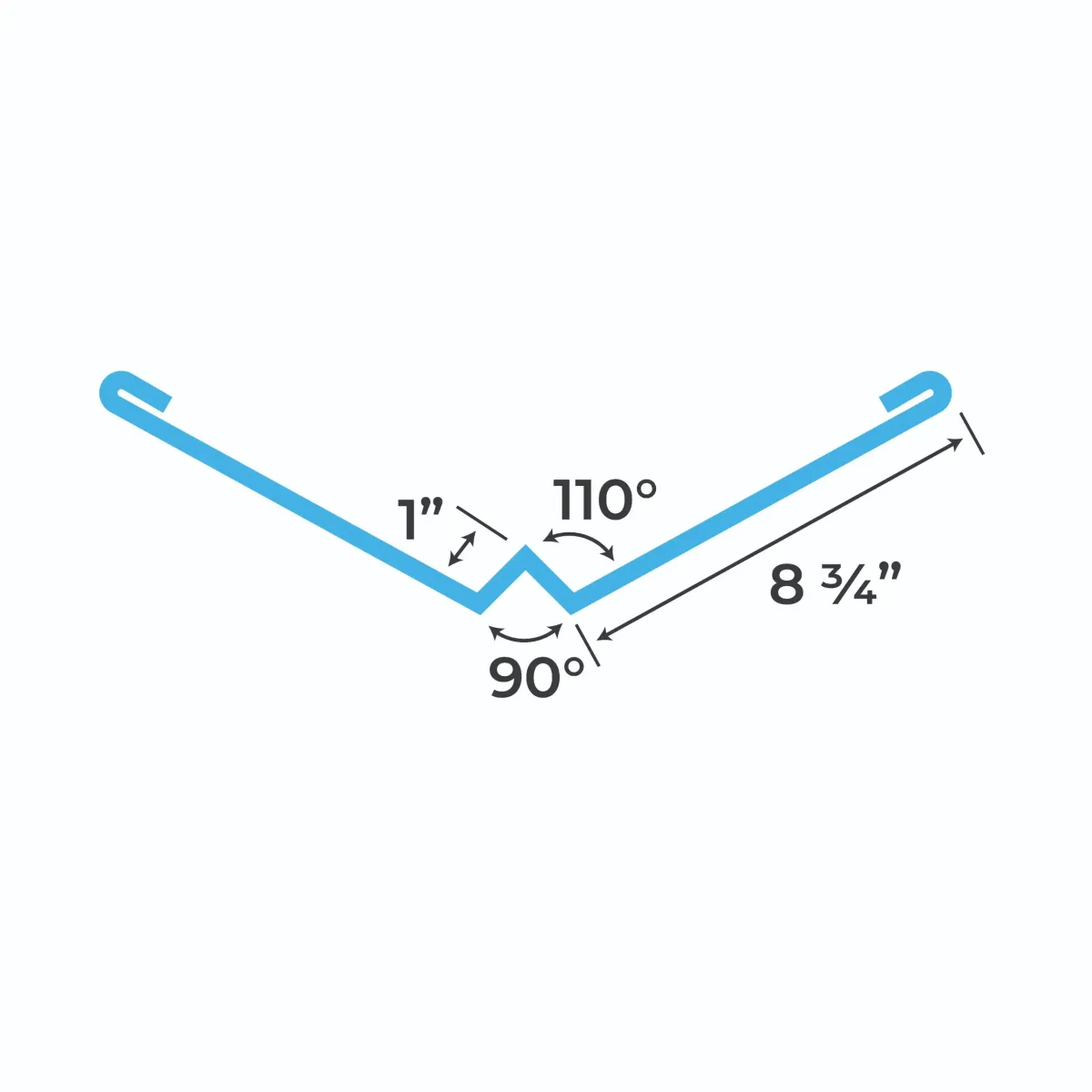
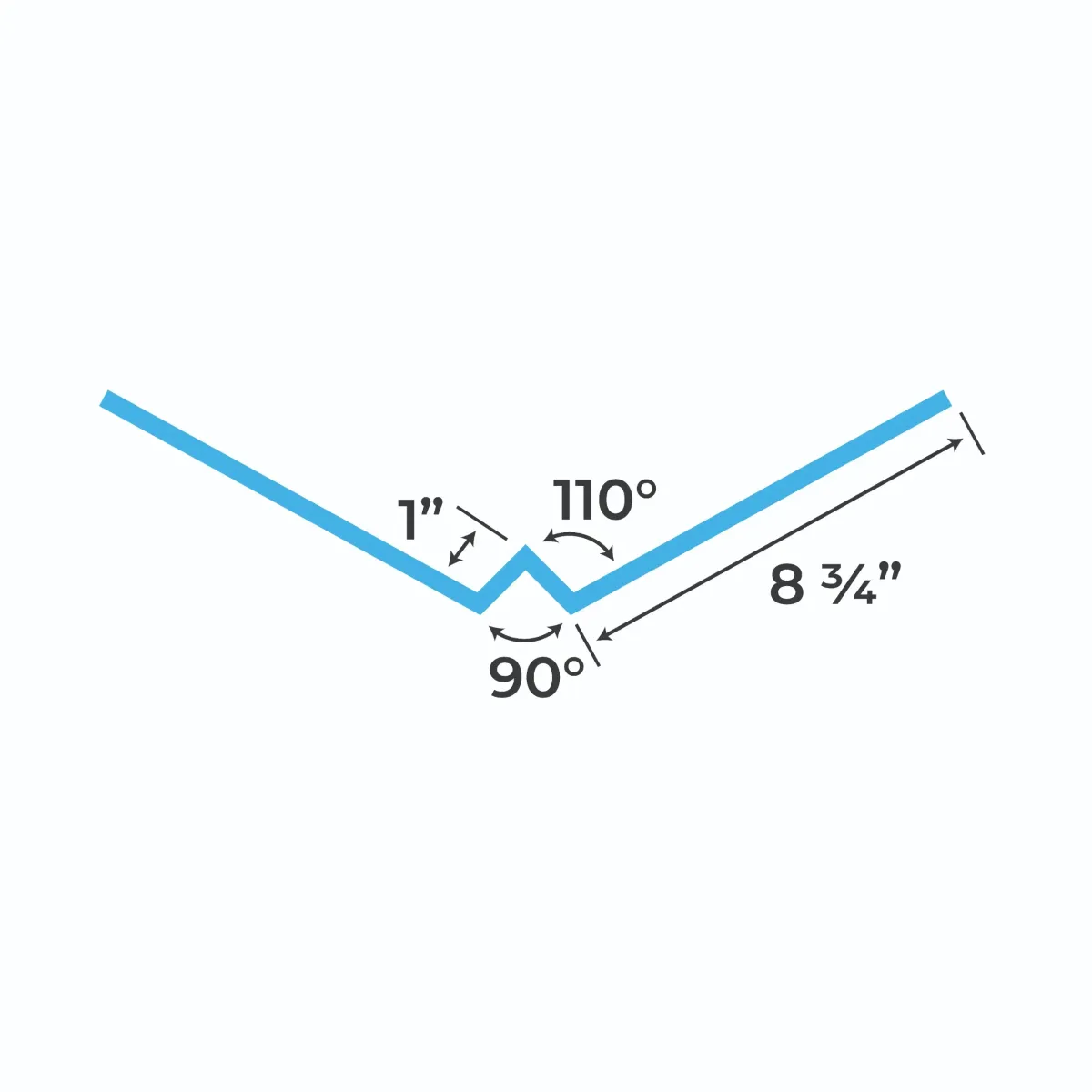
Valley
Used in the valley created by two intersecting slopes.
The Valley has a raised section at the low point to prevent water from travelling up the opposite slope.
The Valley should be installed prior to any panels in the valley area.
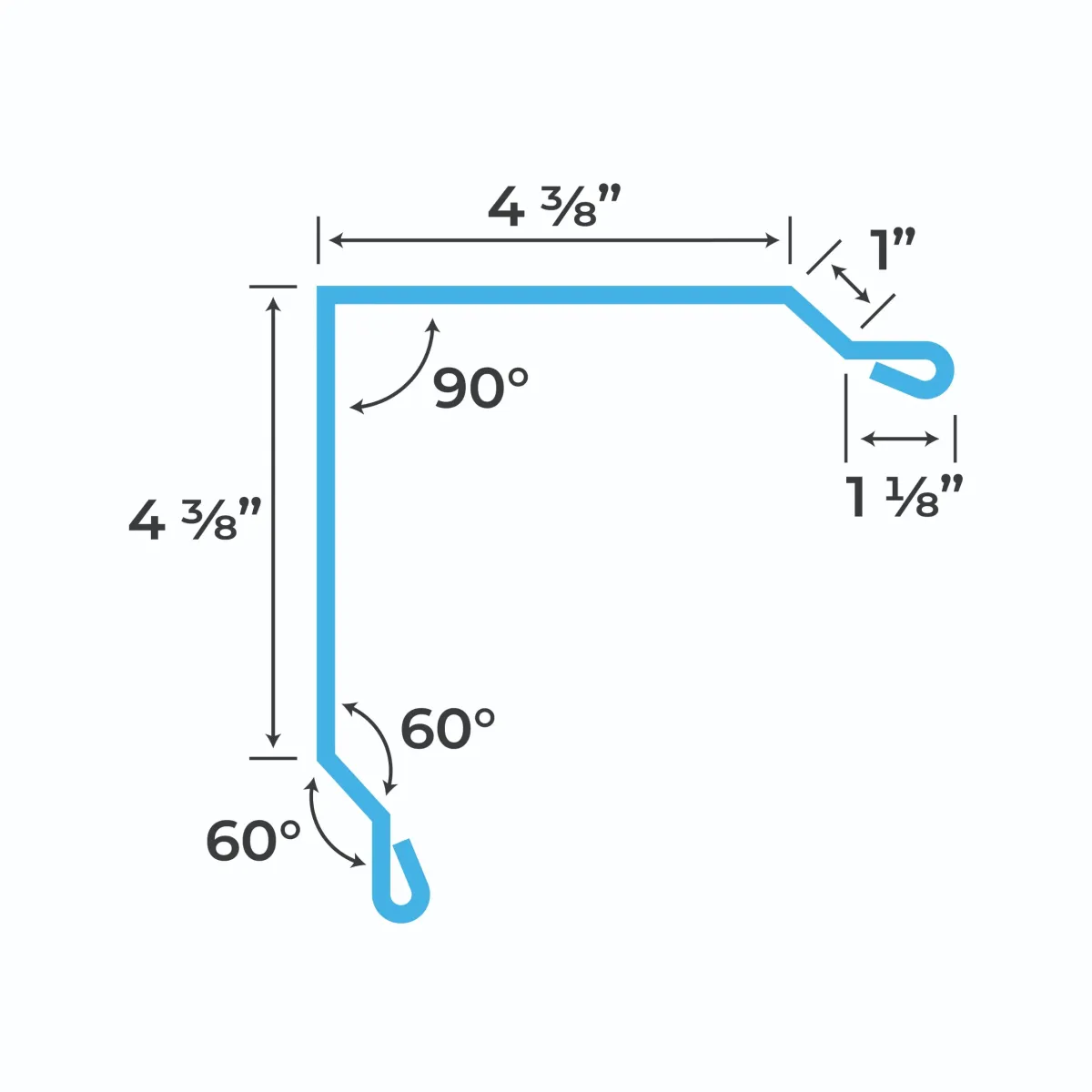
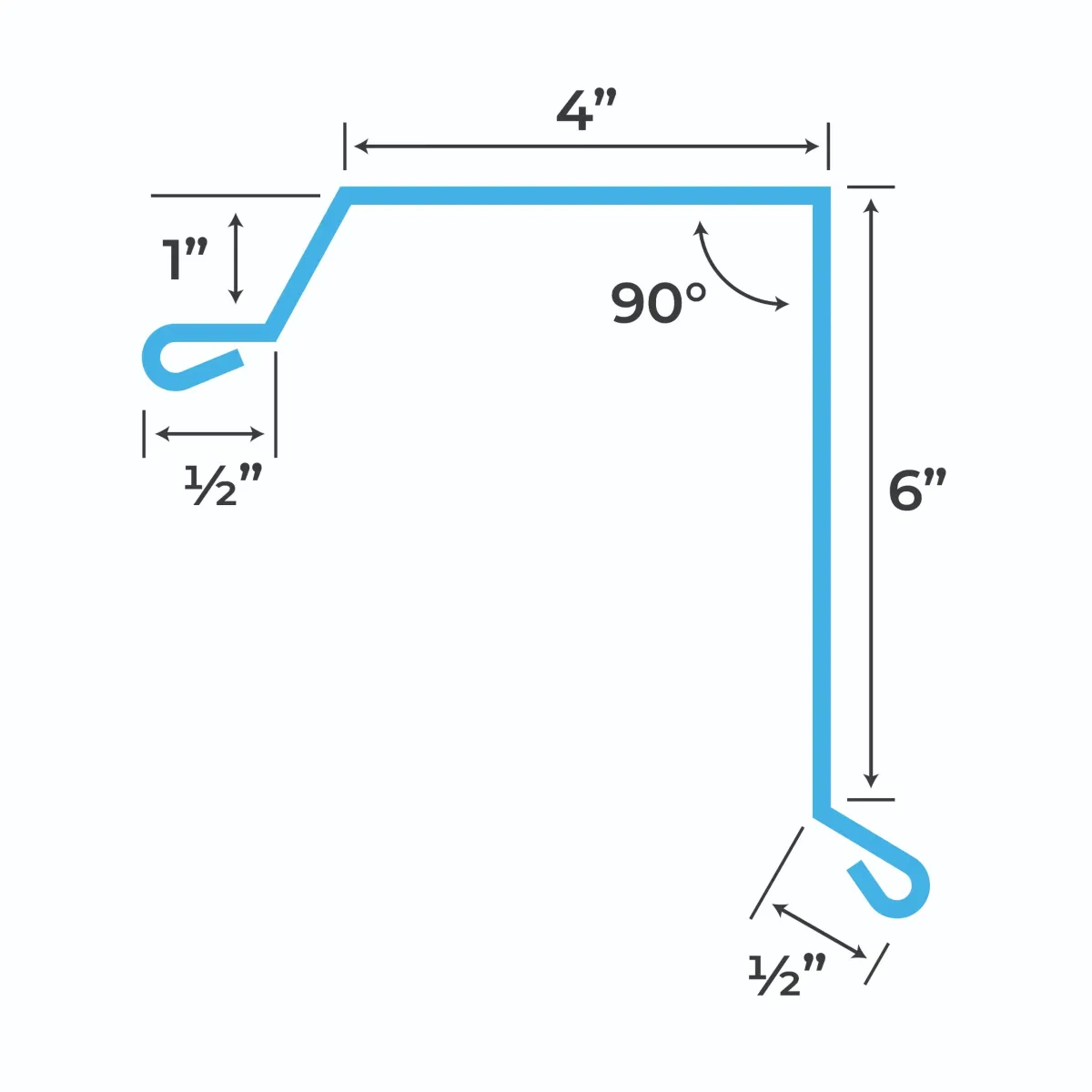
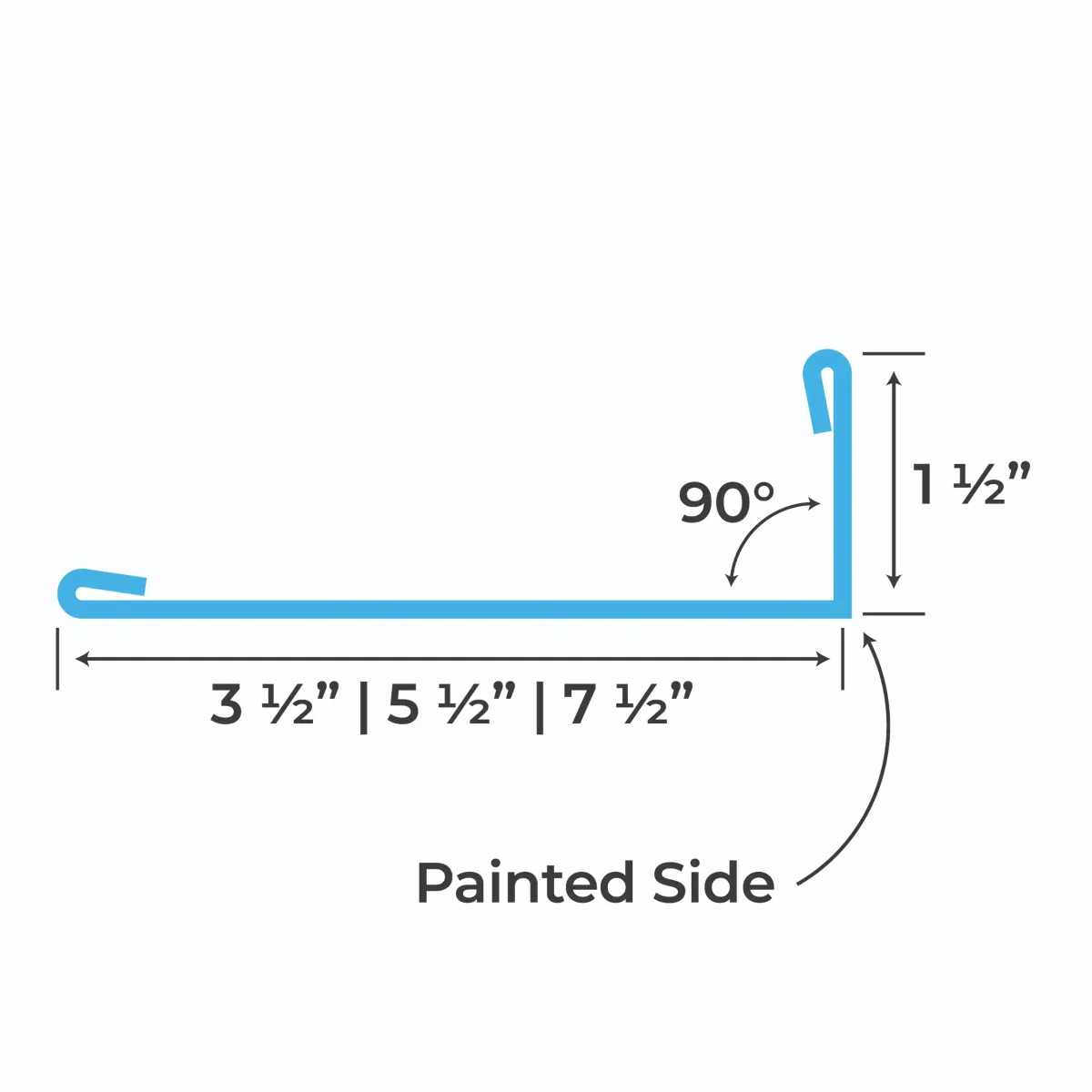
Large Corner
Large corner trims are used to neatly finish and protect exterior corner joints where panels or siding meet.
They enhance structural protection, cover exposed edges, and deliver a clean, uniform appearance for a polished exterior finish.
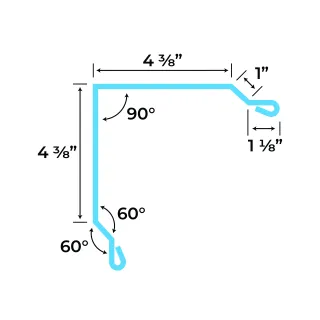
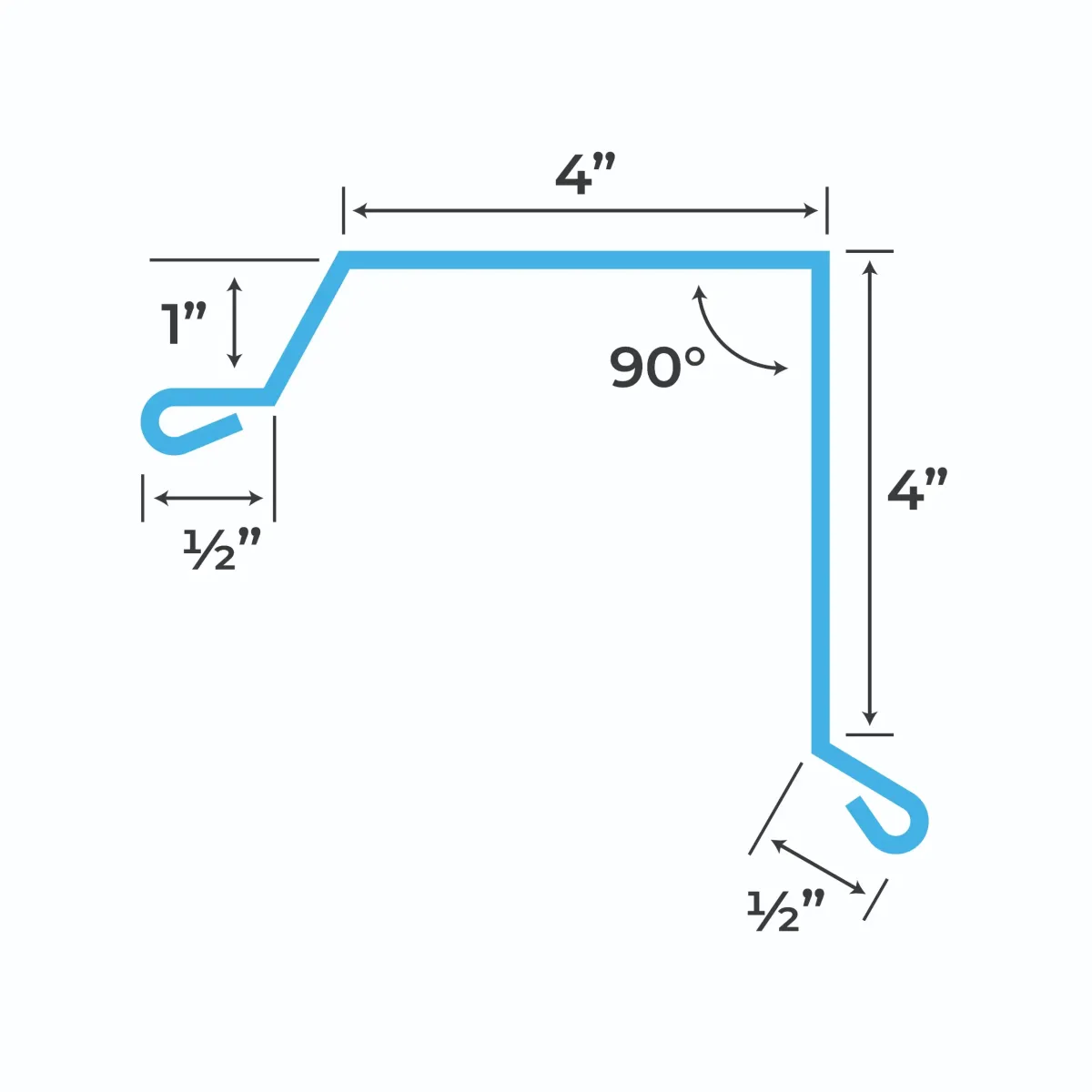
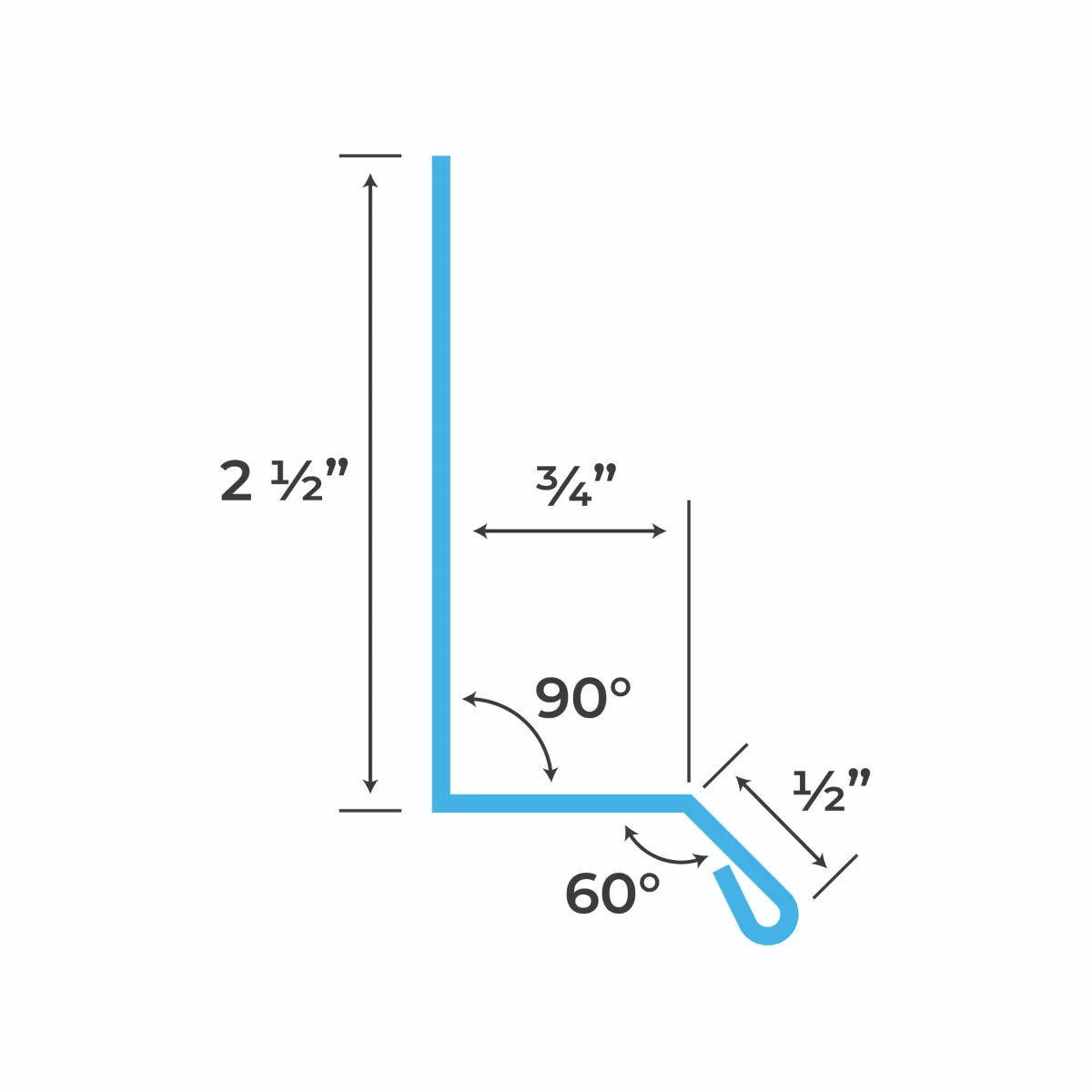
Small Corner
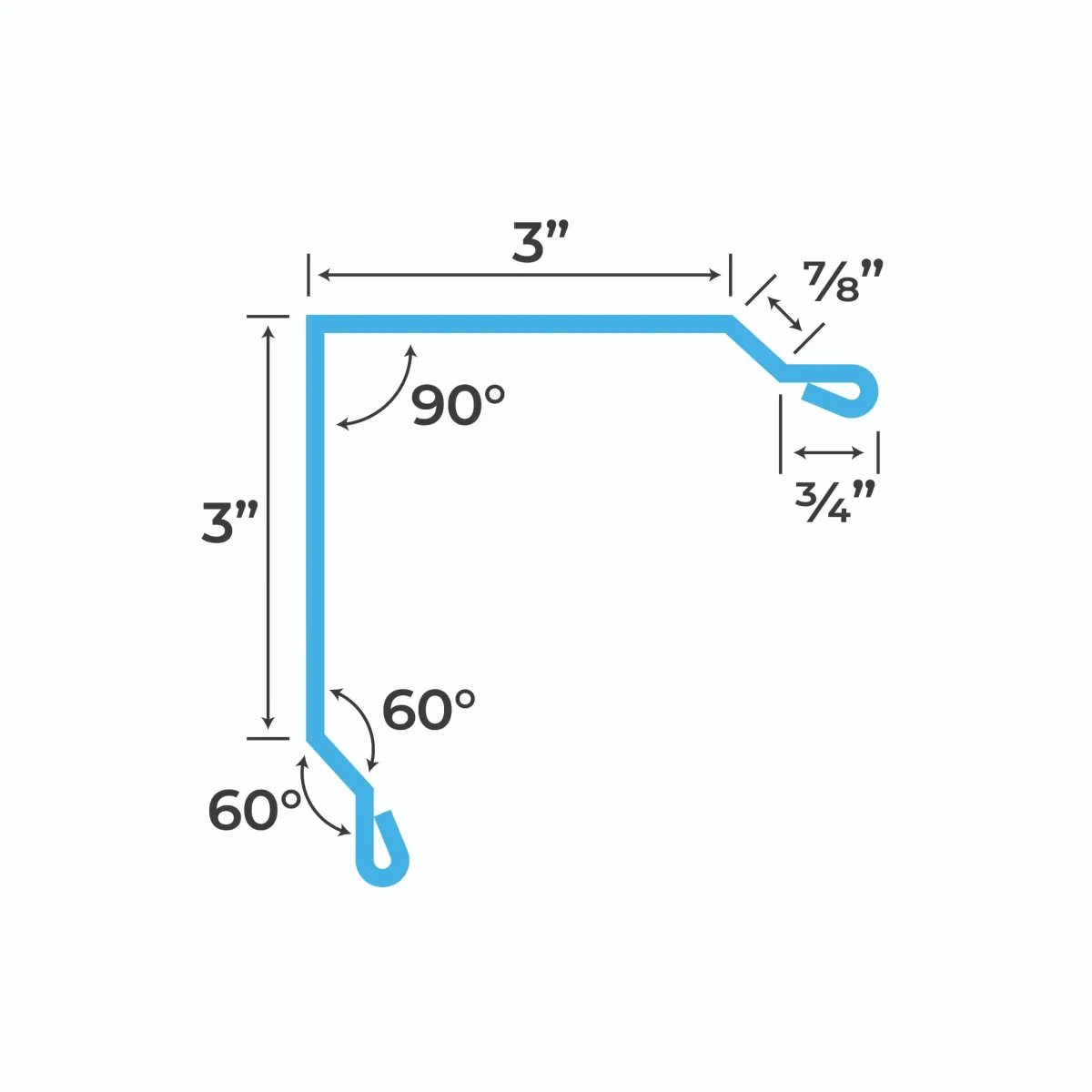
Used on the gable end or as the outside corner when panels are used as siding for a building.
The Small Corner has a built in drop enabling it to cover a 3/4″ rib.
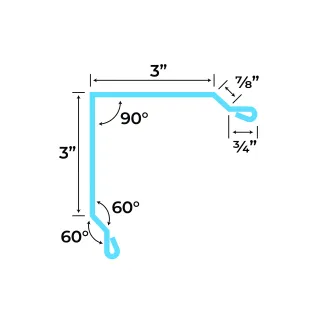
Inside Corner
Inside corner trim is used where two wall panels meet at an internal angle, providing a clean and seamless transition.
It helps protect edges, improve water resistance, and deliver a finished, professional look to the structure.
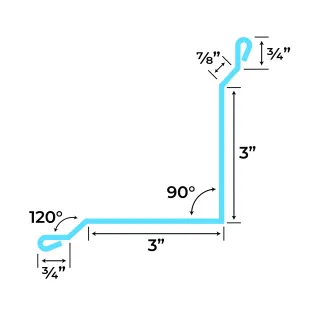
Hip Cover
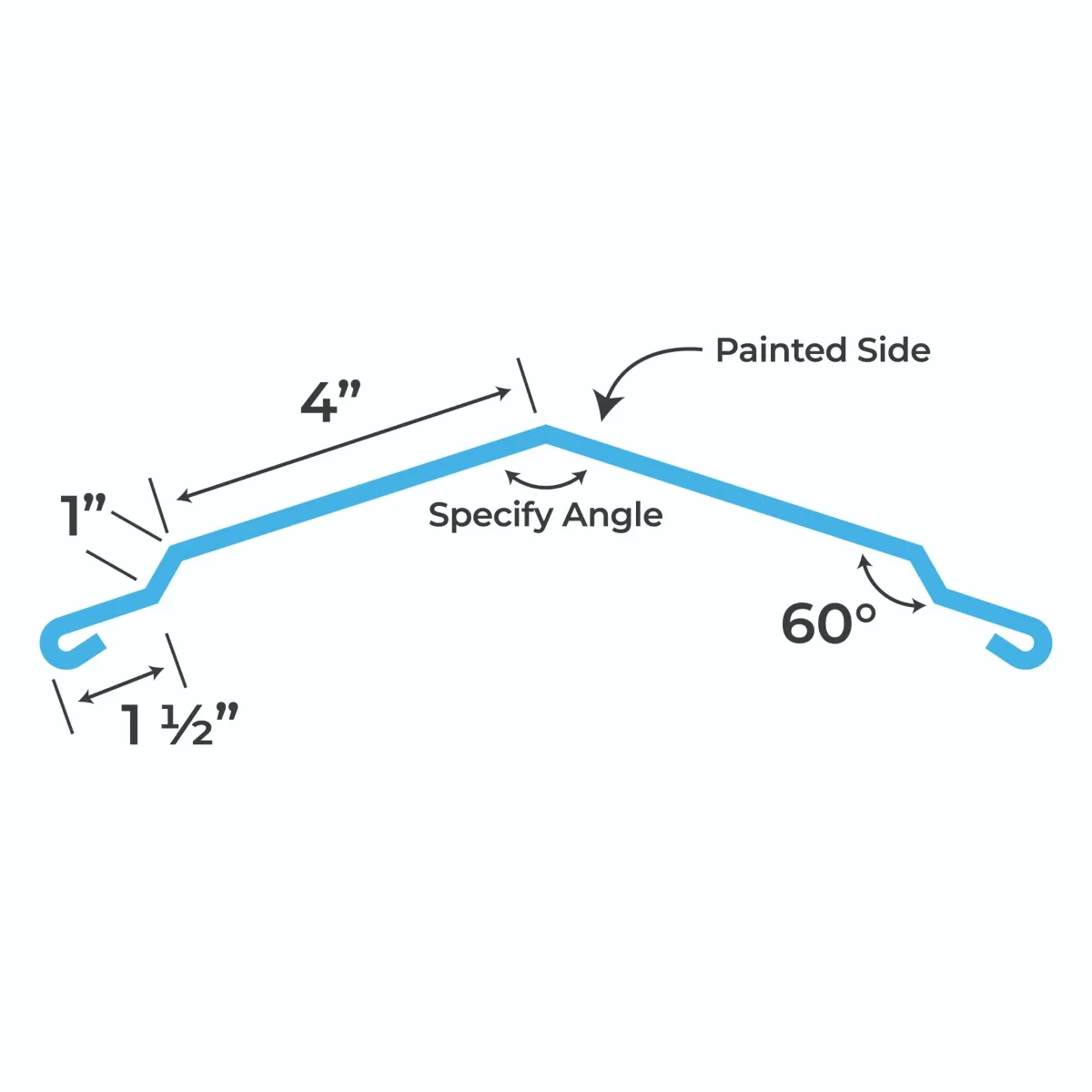
Hip cover trim is installed along roof hip lines to protect exposed joints where two roof slopes meet.
It helps prevent water intrusion while providing a strong, clean finish that enhances the roof’s durability and appearance.
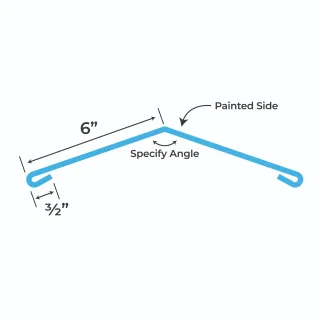
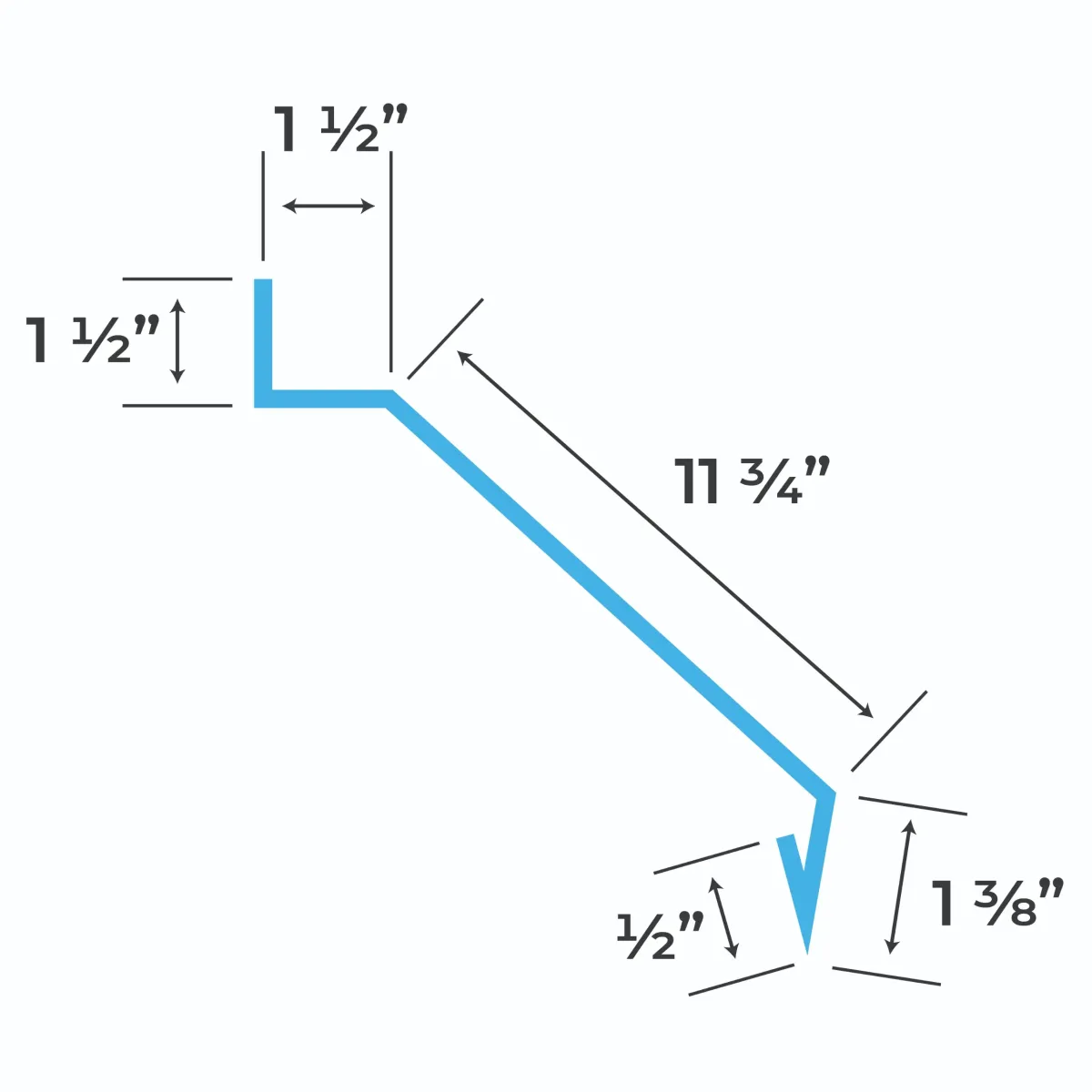
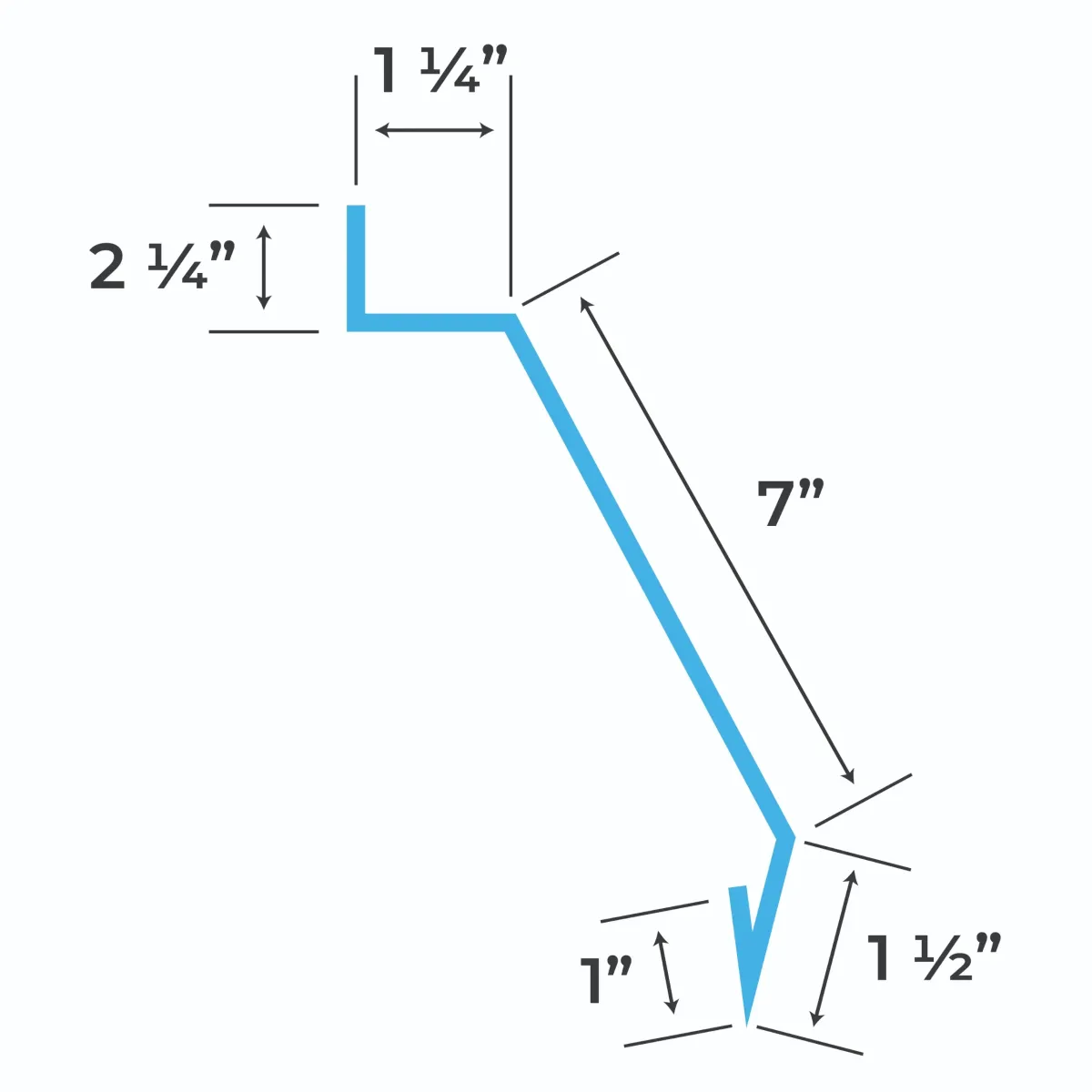
Transition
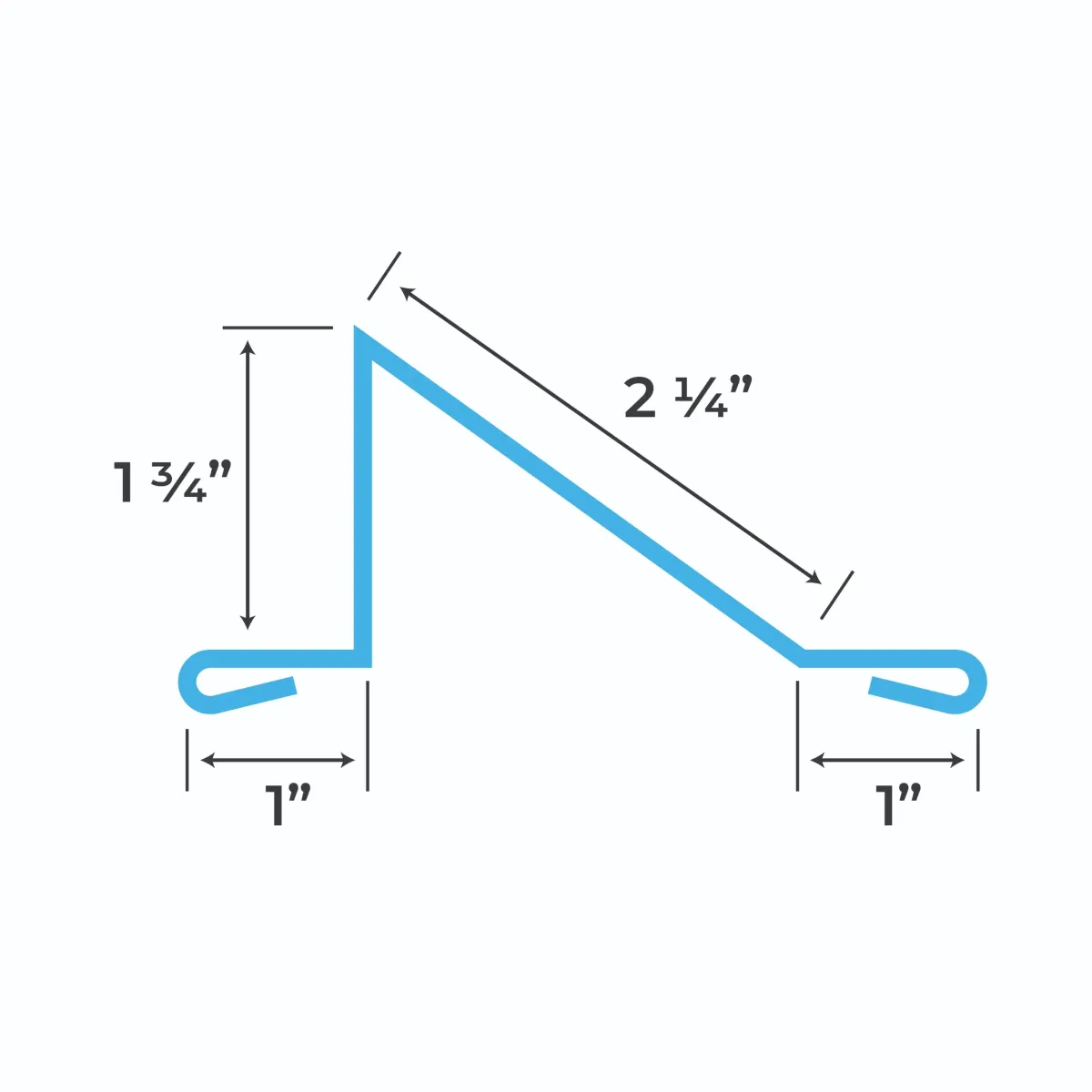
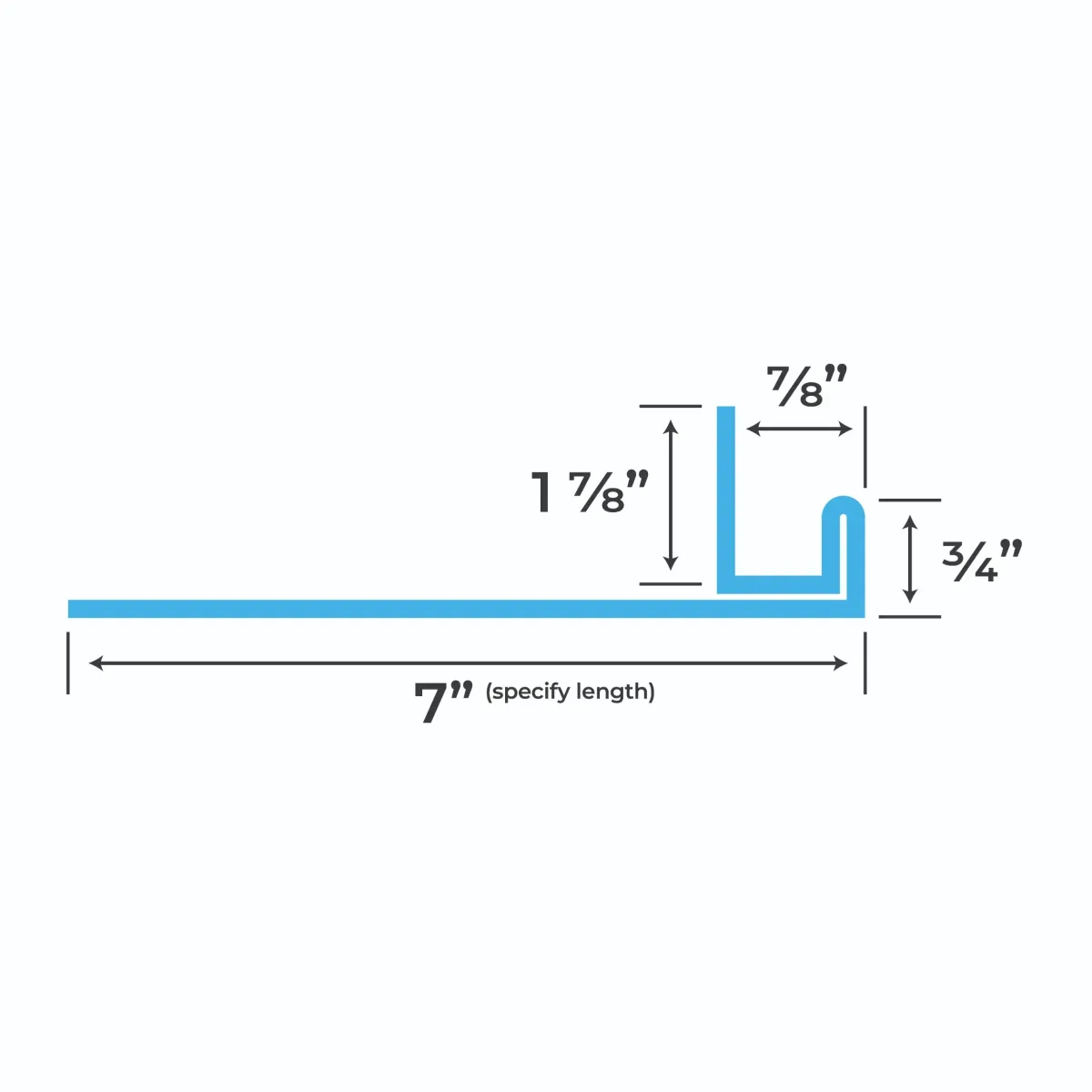
Used when transitioning from a higher slope to a lower slope.
The Transition is installed under the upper slope panel and on top of the lower slope panel.
The lower portion of the transition rests on top of the lower panel ribs and should be installed with outer closures to ensure water tightness.
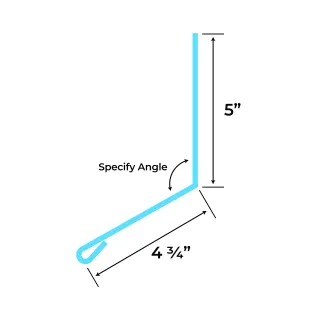
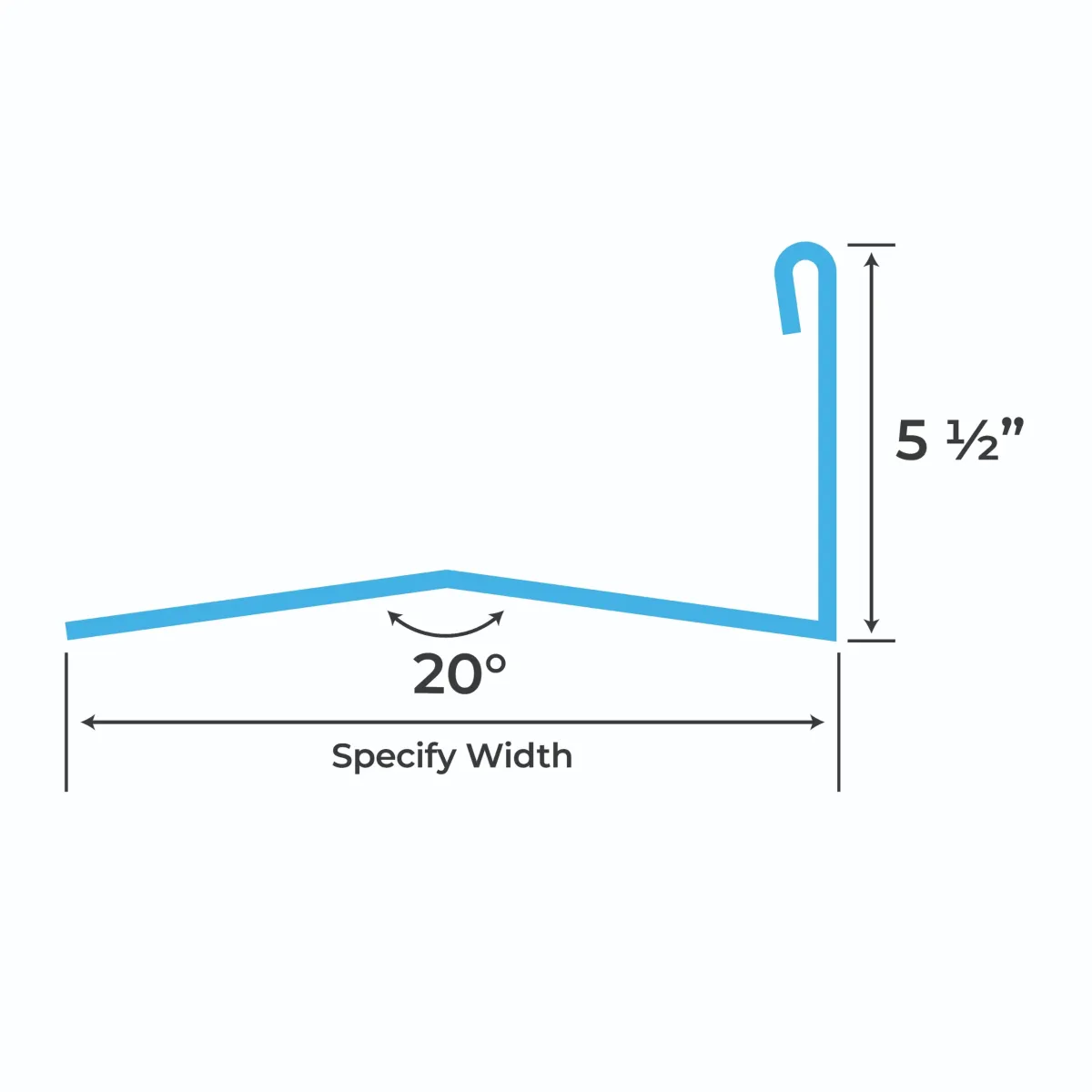
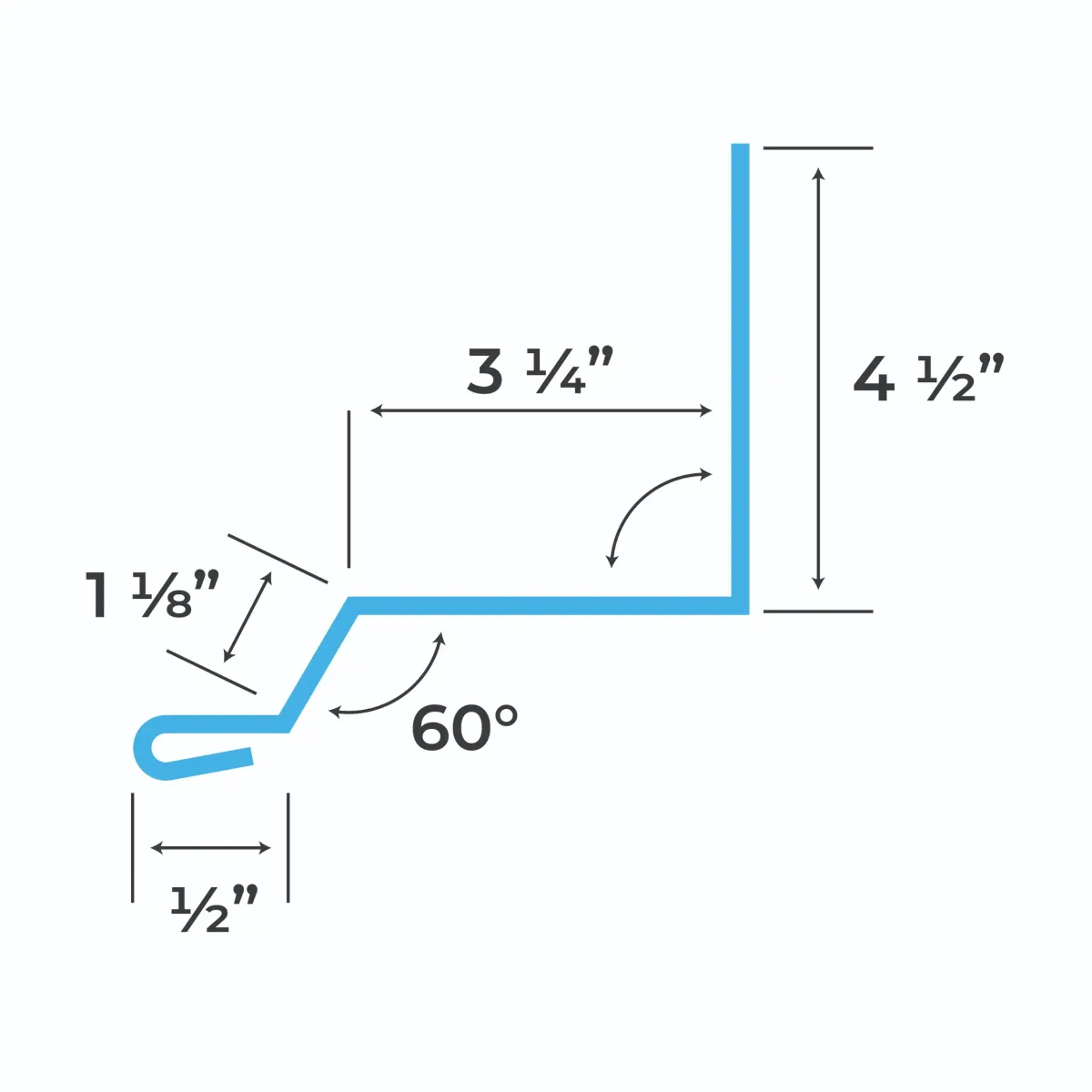
Endwall
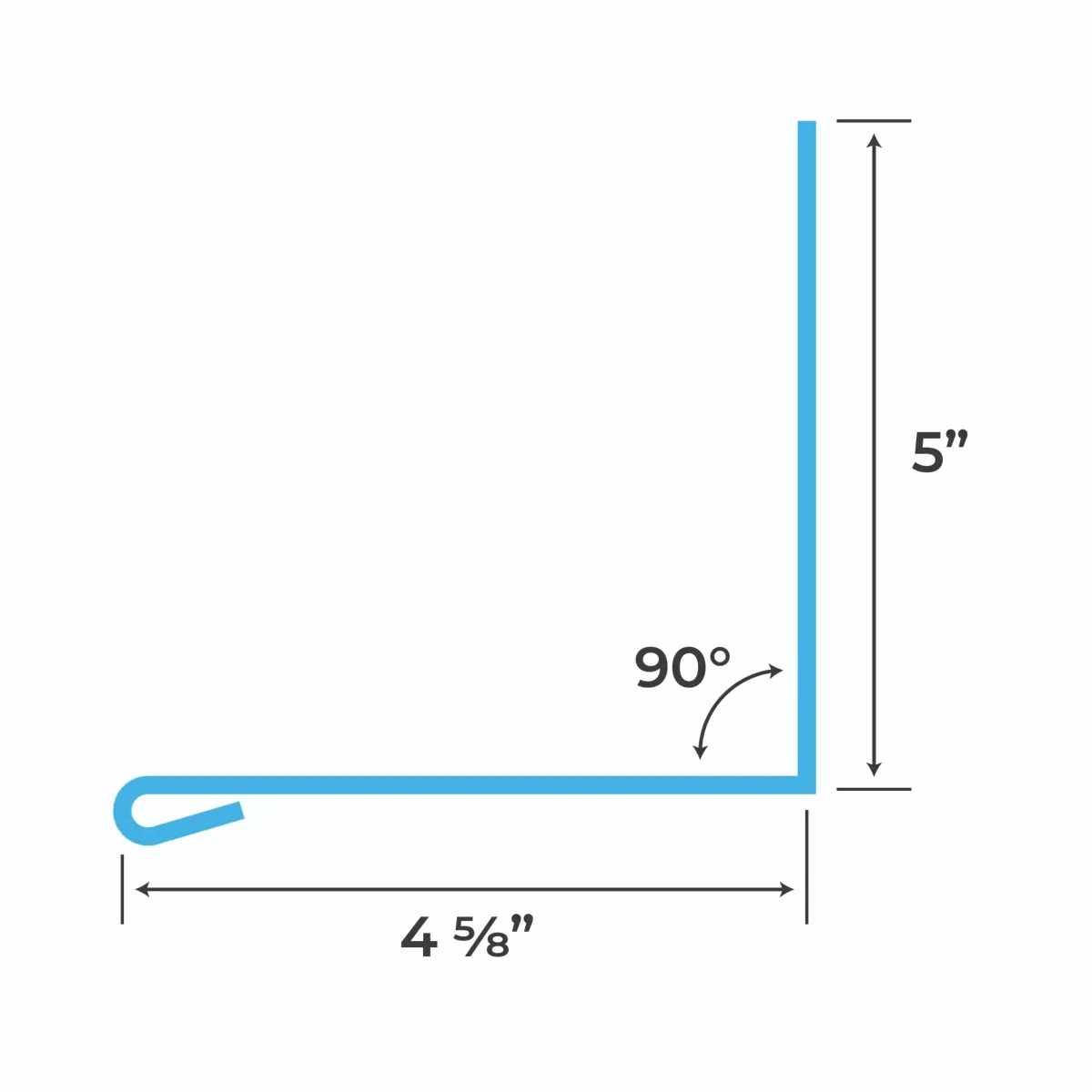
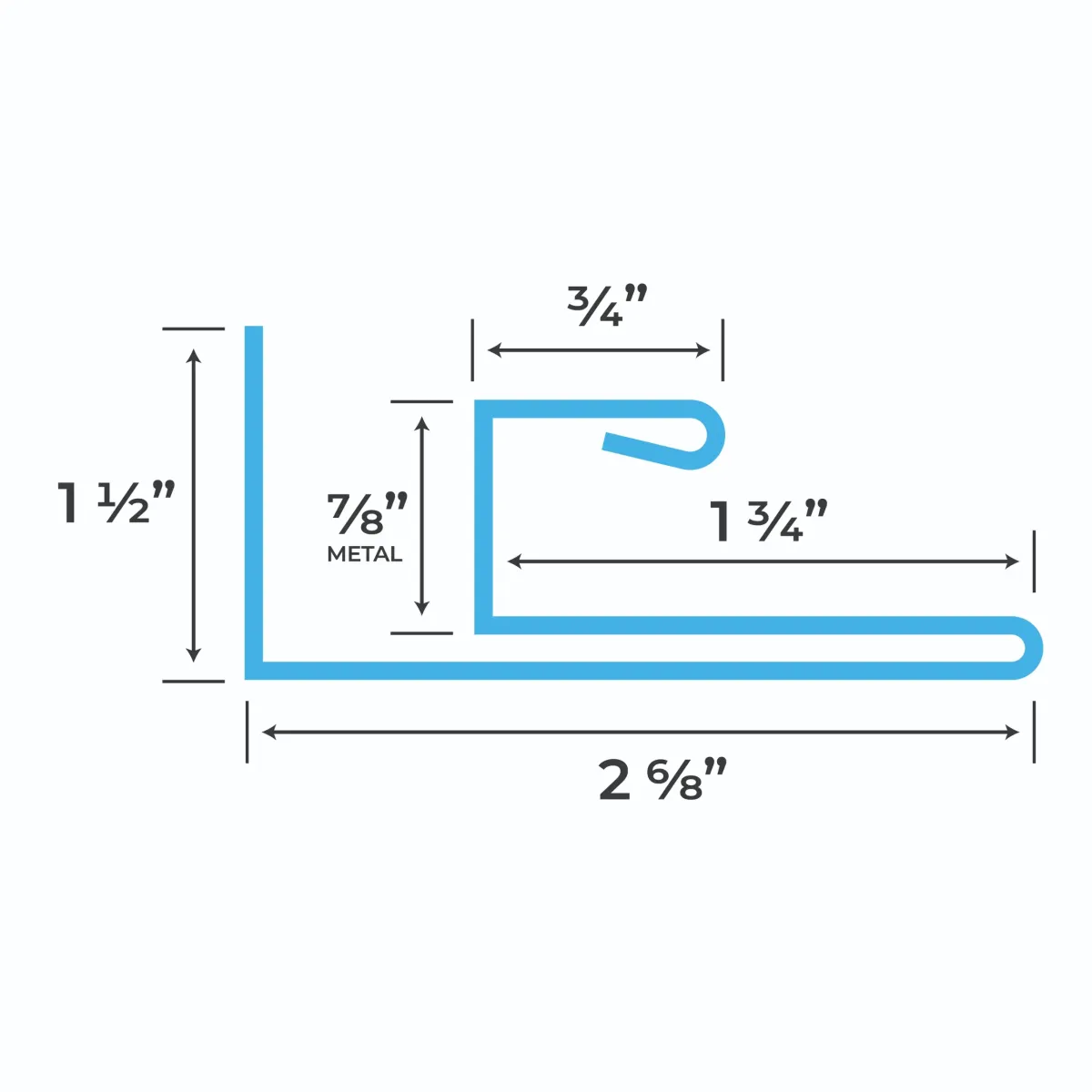
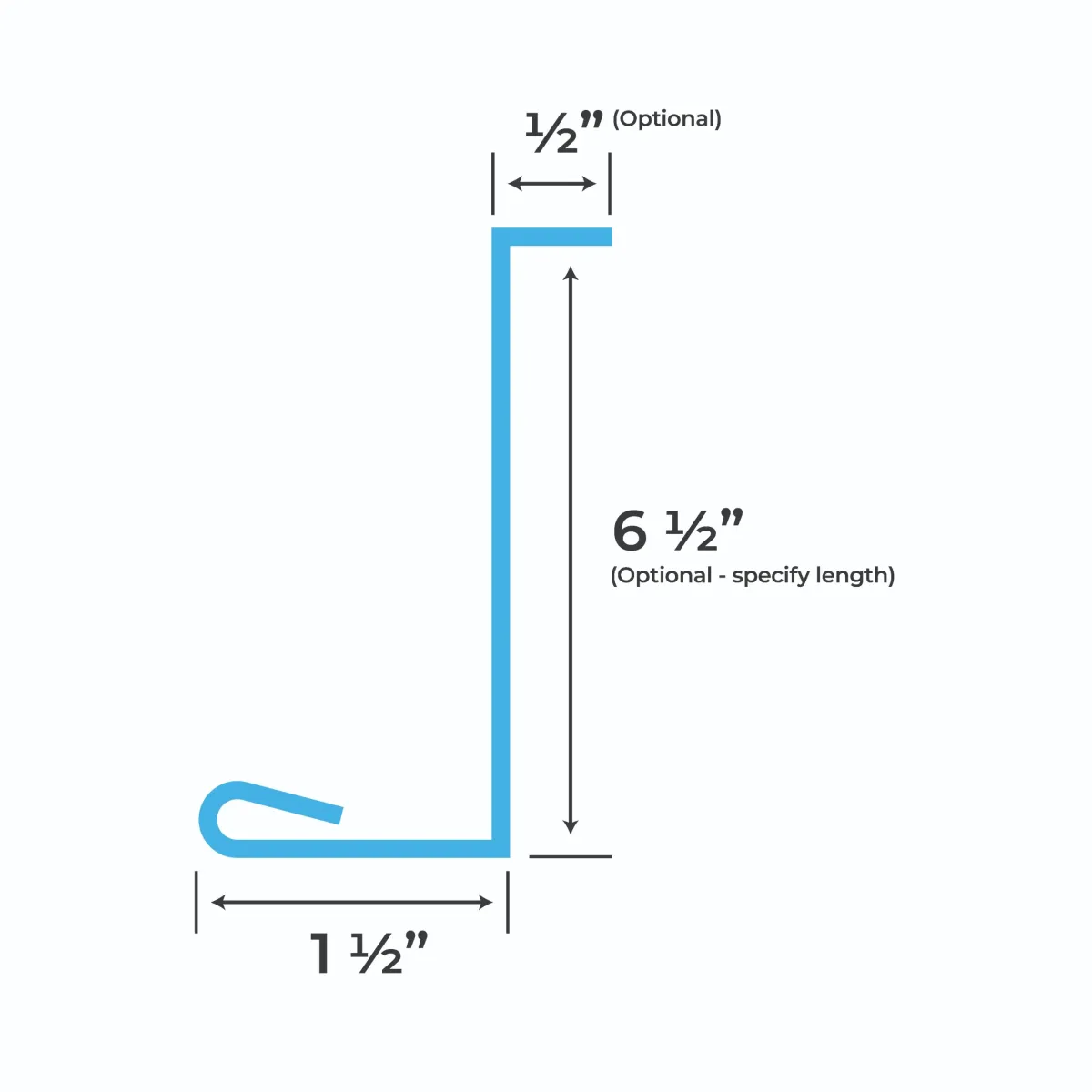
Used when a panel intersects a wall perpendicularly.
The Endwall will install up the vertical wall and on top of the panel.
The Endwall should be installed under any removable siding or attached and caulked to brick or stone.
The lower portion of the Endwall rests on top of the lower panel ribs and should be installed with outer closures to ensure water tightness.
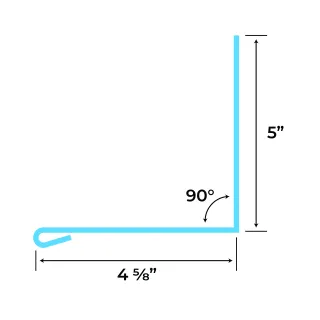
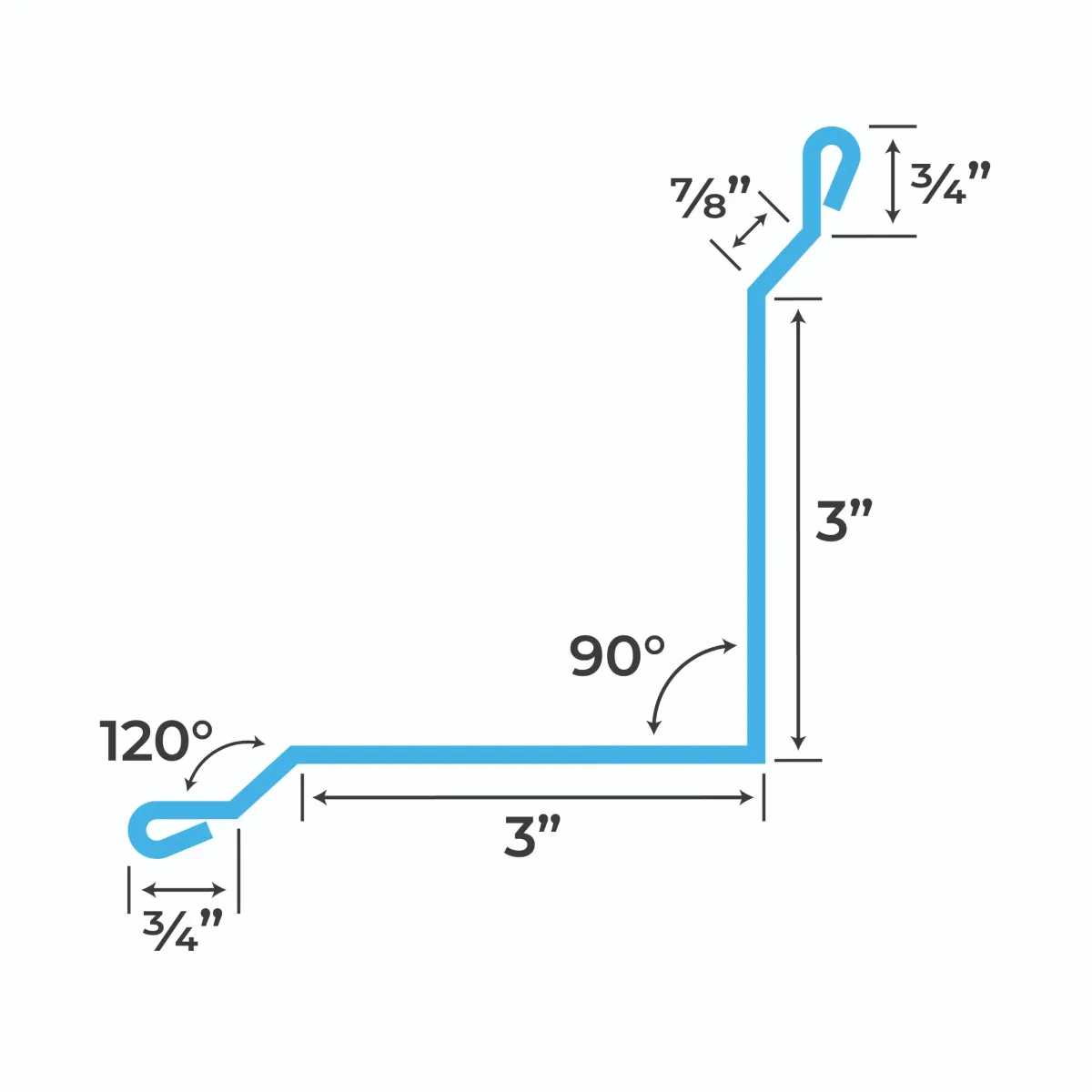
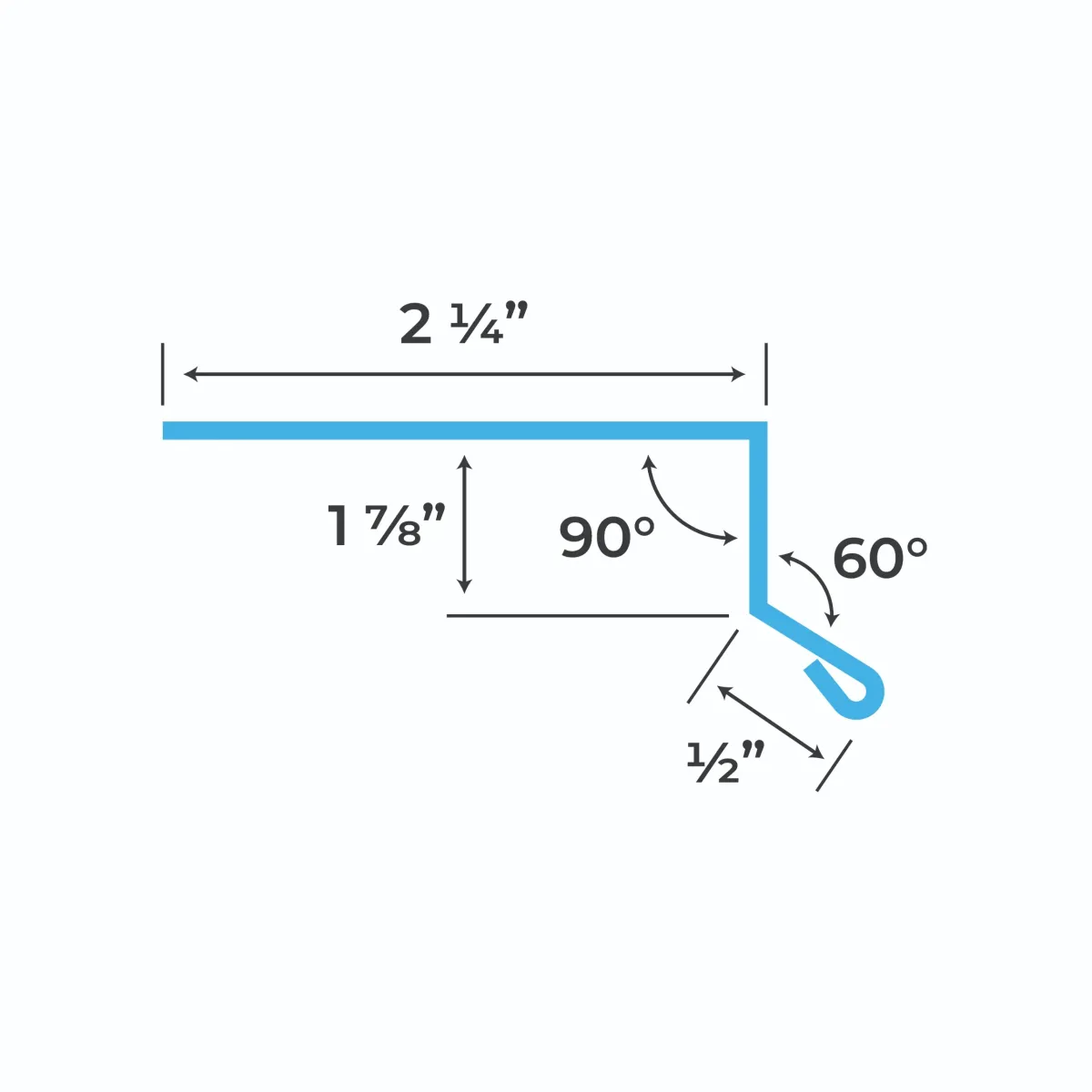
Sidewall
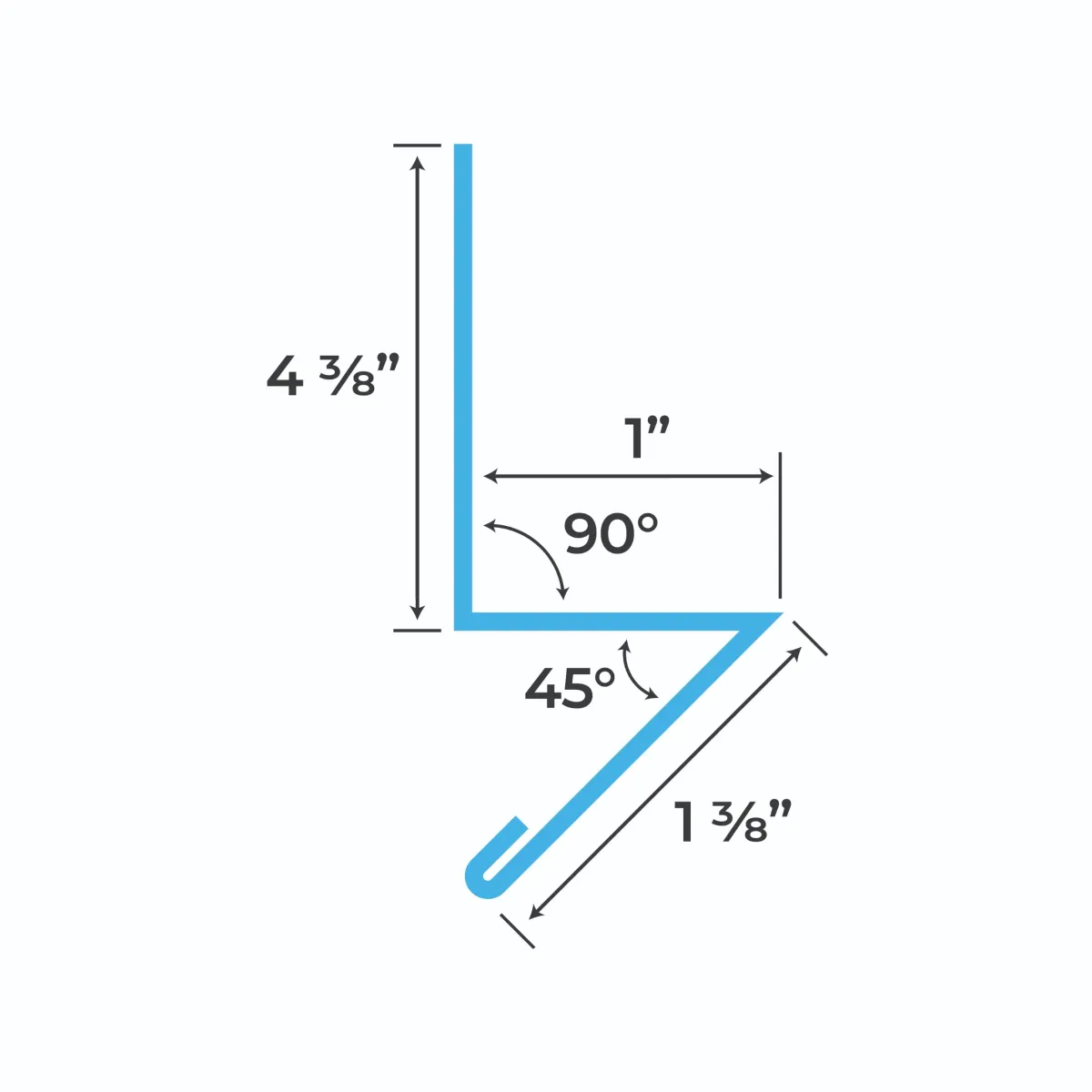
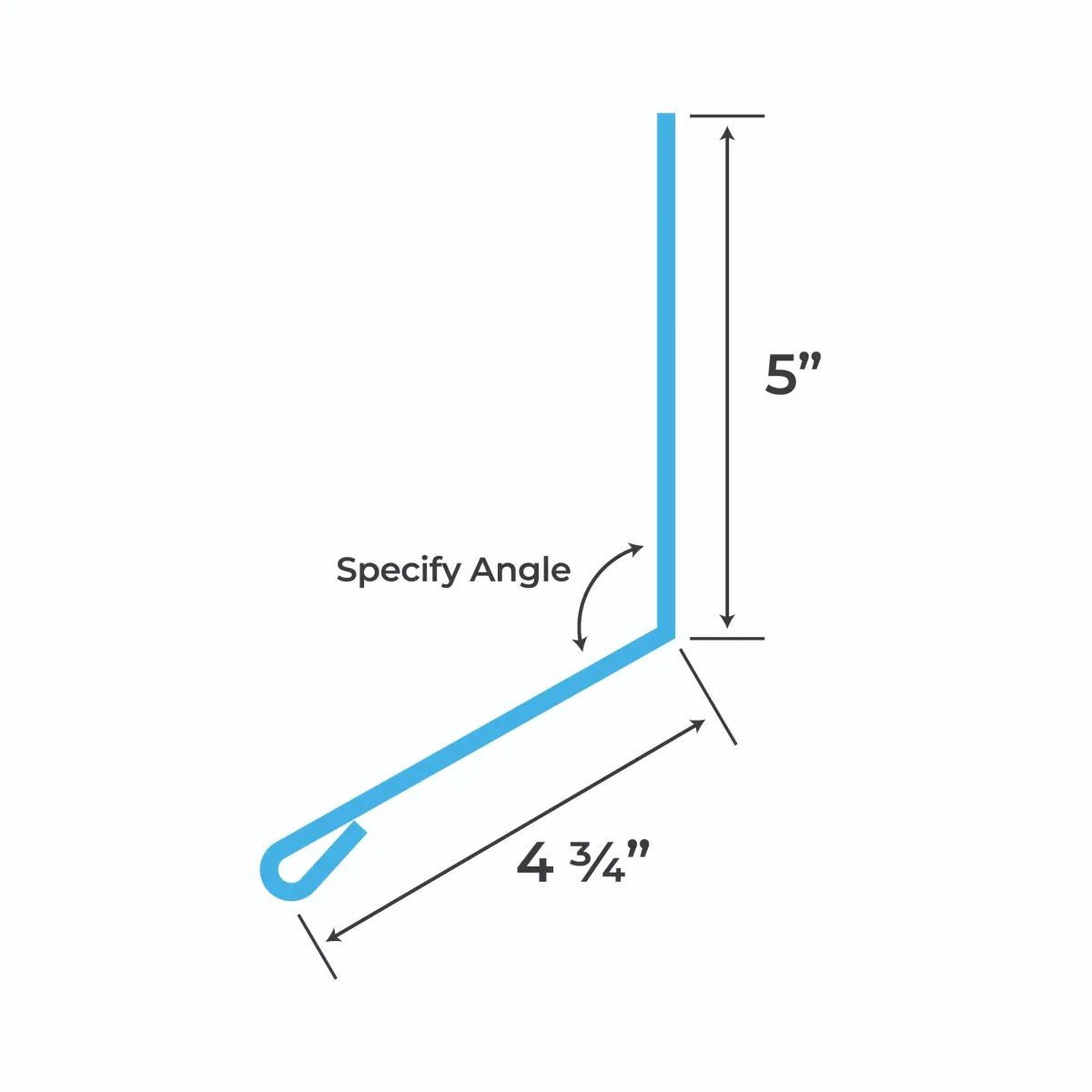
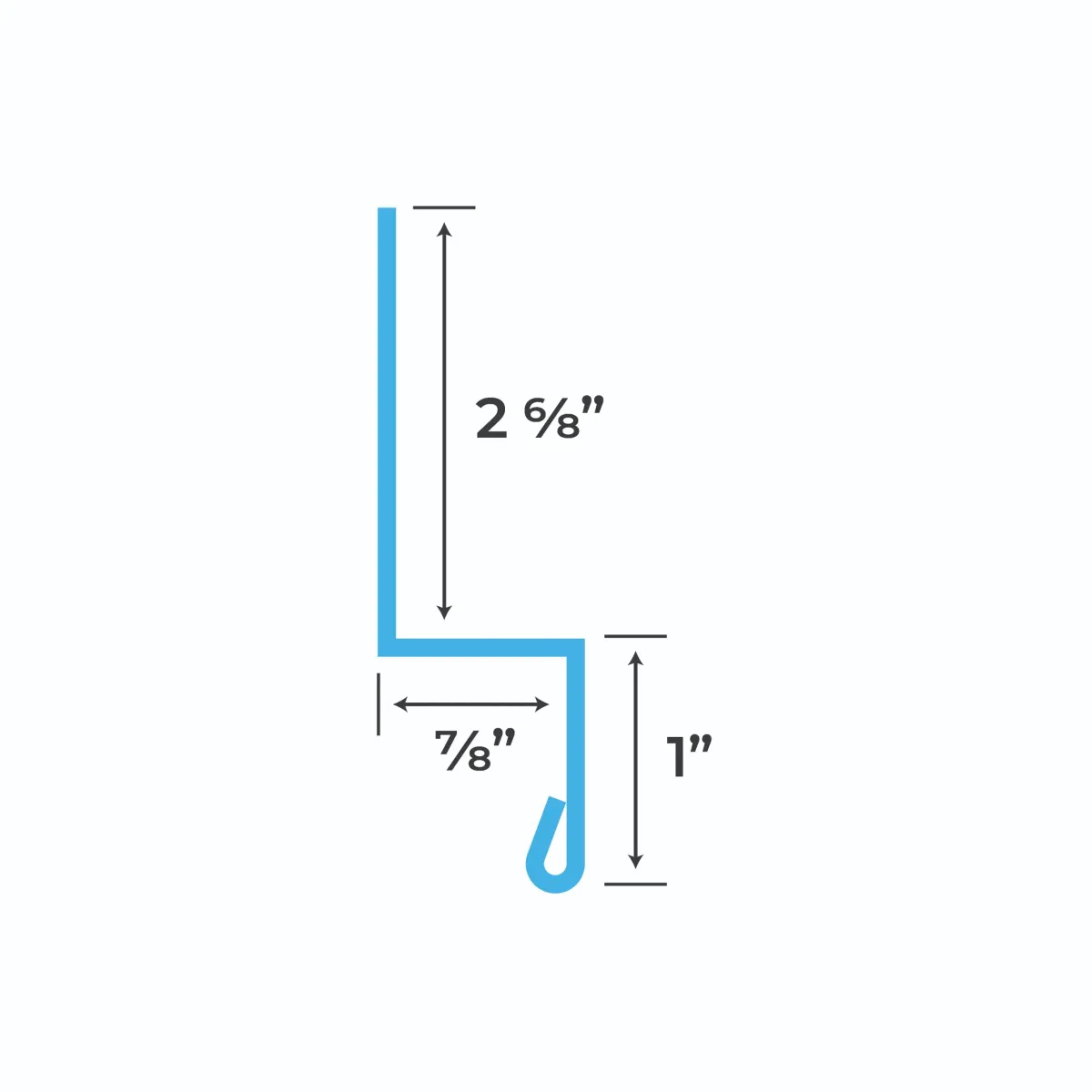
Used when panels run parallel to a vertical wall.
The Sidewall will install up the vertical wall and on top of the panel.
The upper portion of the Sidewall should be installed under any removable siding or attached and caulked to brick or stone. The Sidewall has a built in drop enabling it to cover a 3/4″ rib.
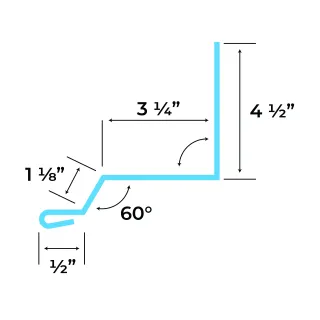
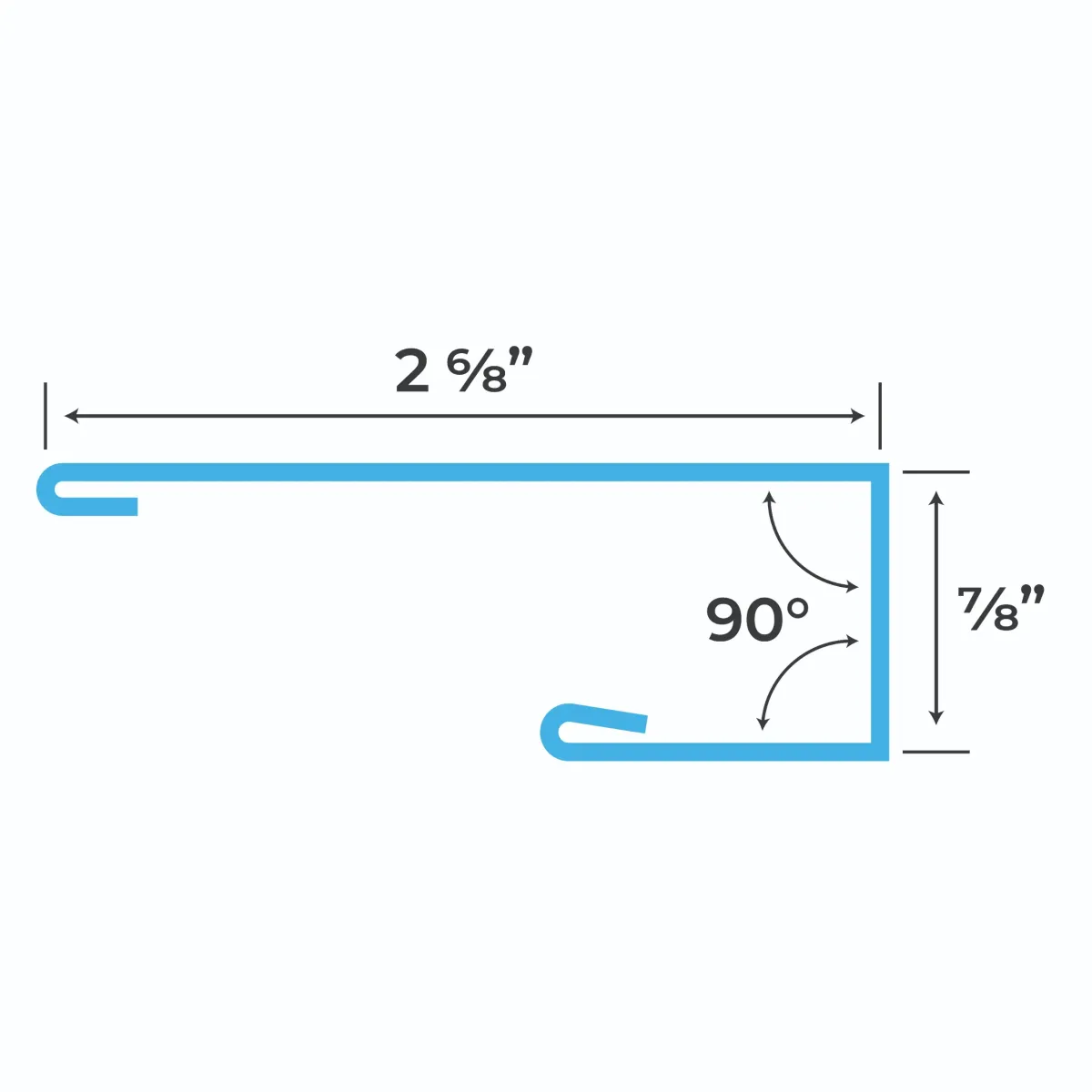
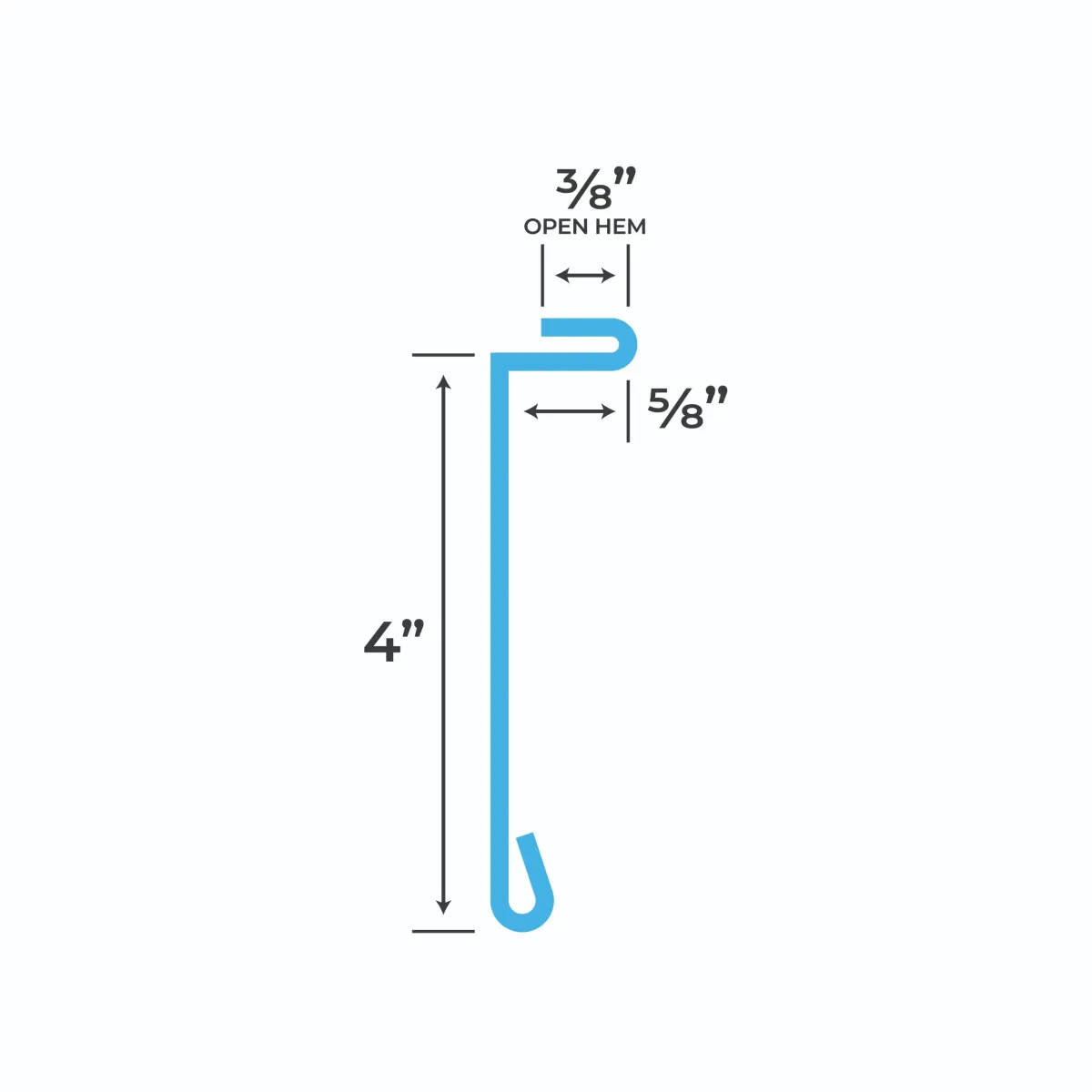
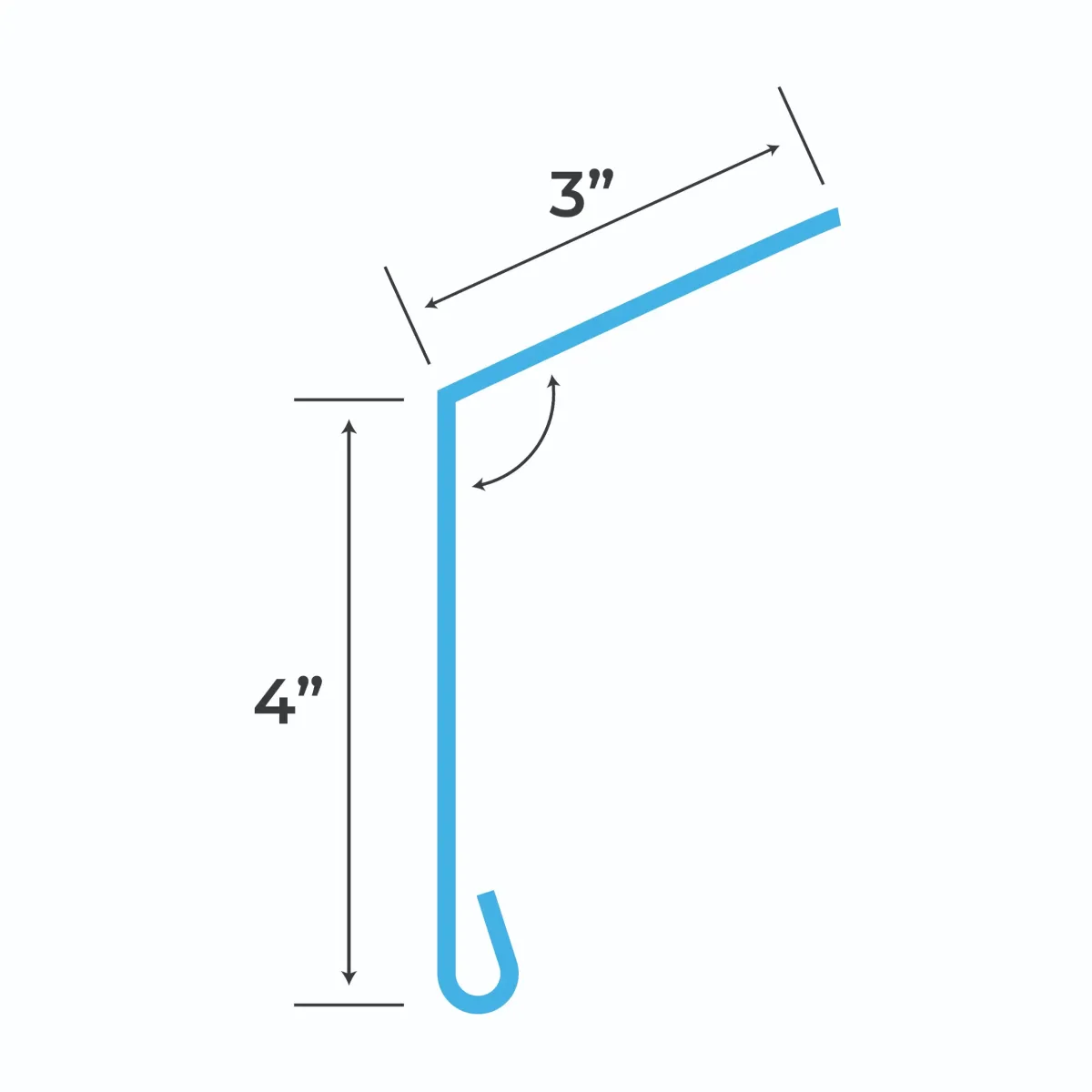
Drip Edge
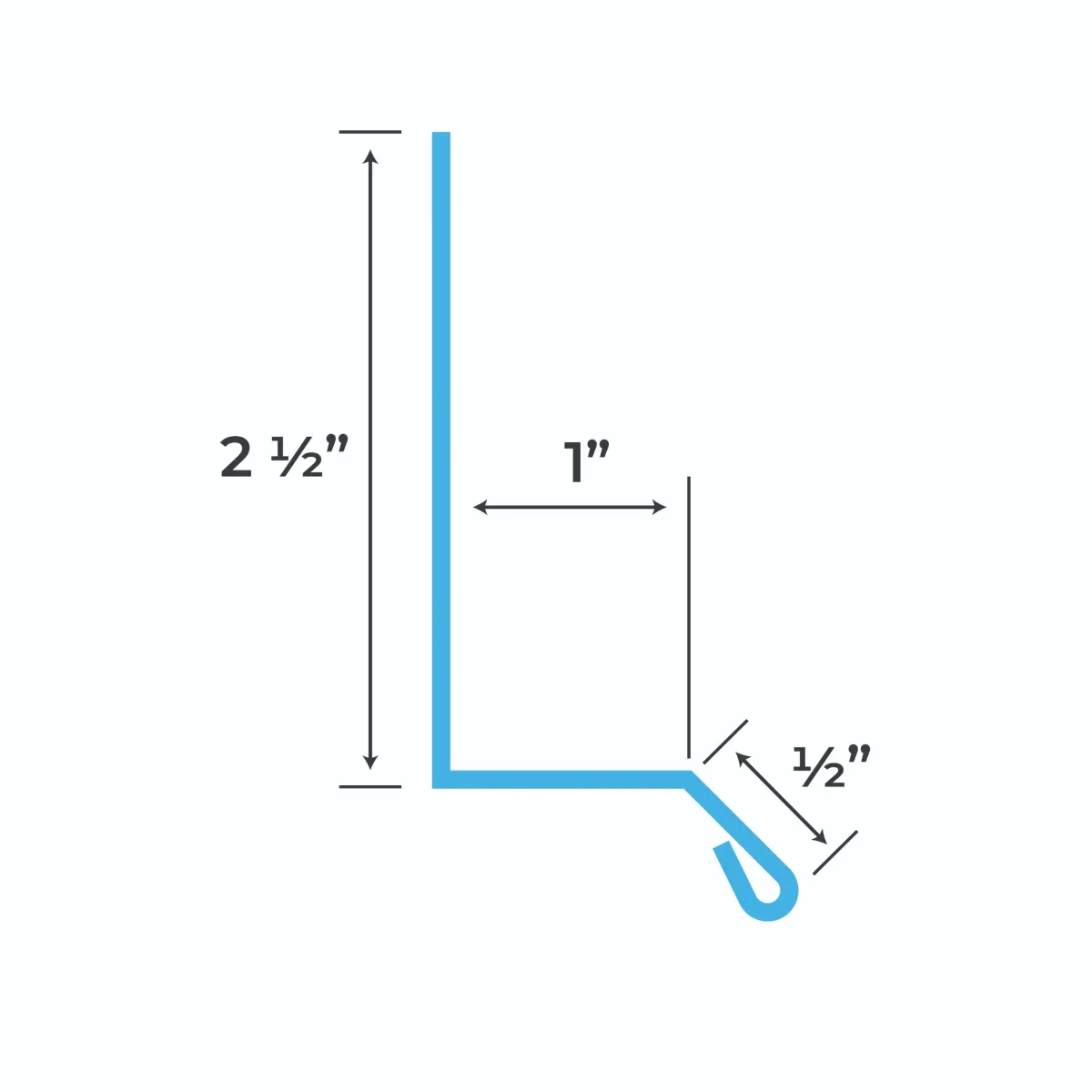
Used at the lowest point of a roof slope.
The Drip Edge is used to prevent water from full gutters from running back under the roofing material.
The Drip Edge is installed under the panels.
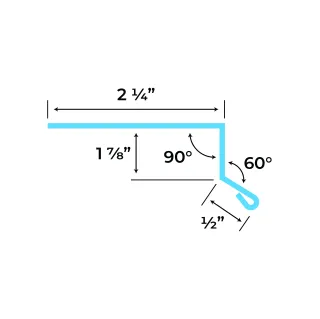
J-Channel
Used to trim around doors, windows, skylights, and other square or rectangular penetrations in roofing or siding panels.
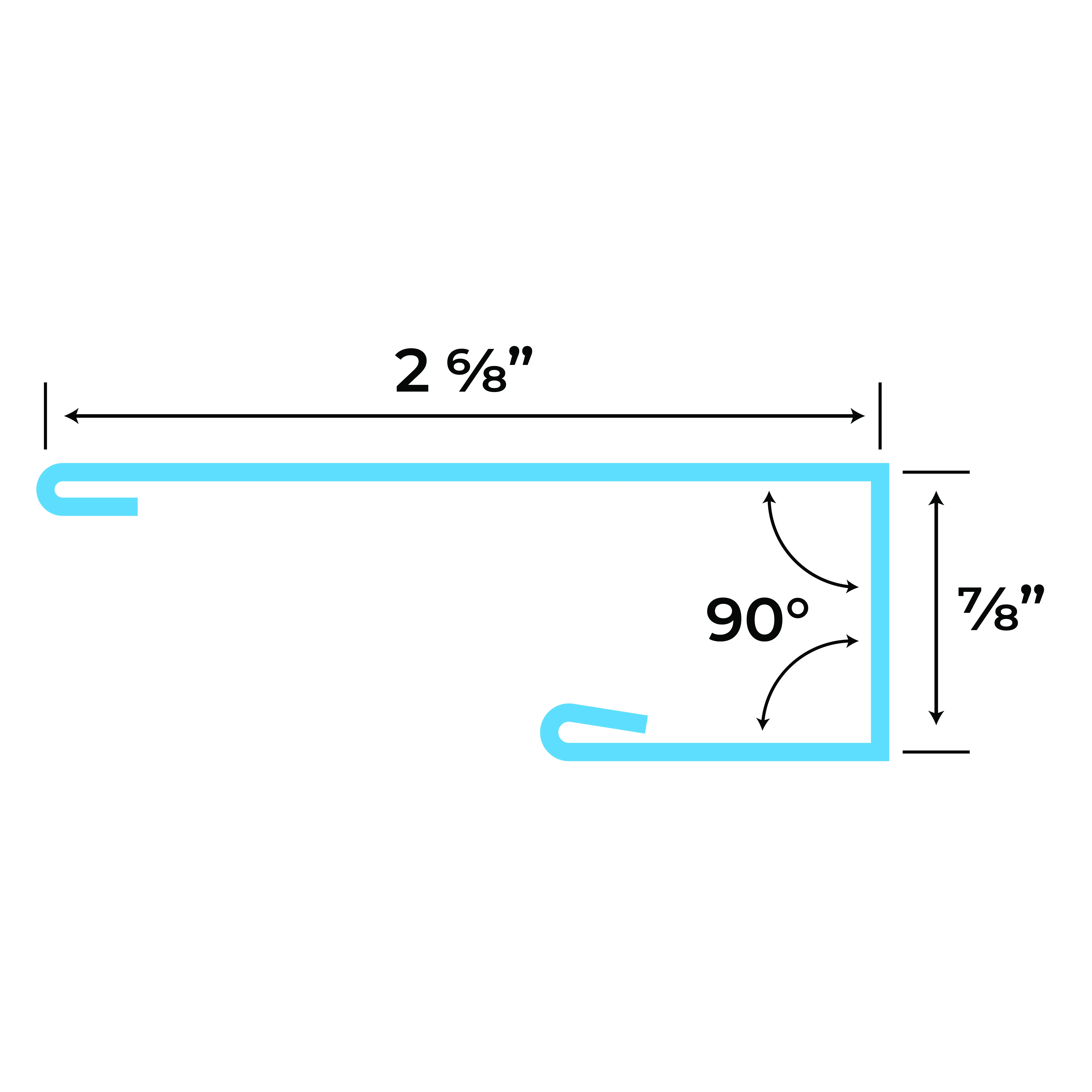
Rat Guard
Used at the base of metal siding panels.
The Base Guard installs underneath the panel and extends down onto the ground or concrete footer of the building effectively sealing it off.

Custom Metal Trim
If you can draw it, we can bend it.
If you can draw it, we can bend it.
New trim dimension sheets will be uploaded from your provided scans.
Trim's Photo Gallery
Who Is This Product For?
Metal roofing trims and flashing are not a luxury; they are a necessary part of every project, from small residential builds to large commercial properties. Our extensive range of options caters to a variety of needs:
The Budget-Conscious Owner: For clients focused on value, exposed fastener trim details are an excellent and effective choice, offering a durable solution for residential, post-frame, and commercial applications.
The Discerning Homeowner: For those who prioritize a seamless appearance and minimal long-term maintenance, our architectural trim utilizes concealed fasteners for a clean, sophisticated finish. These are often made from a thicker gauge steel to resist visual distortion.
All Project Types: We offer trim and flashing specifically designed to work with all of our metal panel systems, including standing seam, Tuff-Rib, and R-Panel.
What Problems Does It Solve?
While a good roofing panel provides the primary layer of protection, it is the trim and flashing that truly make the difference between a good and a great building. These components solve critical problems that can lead to premature roof failure and costly damage.
01
Water Infiltration
The primary purpose of trim and flashing is to create critical waterproof barriers at the most vulnerable points of your roof. These include the roof’s edges, valleys where two roof planes meet, and junctions where the roof abuts a wall, chimney, or other penetrations. Without proper flashing, water can seep into the home's structure, leading to wood rot, mold, and other expensive issues.
02
Aesthetic Inconsistency
Trim and flashing provide a finishing touch that elevates a building's appearance. Pieces like ridge caps, gable trim, and valley flashing not only seal joints but also provide architectural interest and a unified, professional look.
03
Reduced Longevity
Improper measurements, incorrect fastening, or using incompatible sealants can compromise the integrity of the roof system. Our trims and flashing are designed and fabricated to ensure proper fit and performance, extending the lifespan of your entire roofing system and protecting your investment for decades to come.



Request a Free Quote
Contact our team for a detailed and accurate project estimate.

View Our Color Charts
Explore the dozens of color options available to perfectly match your home or outbuilding's aesthetic.

Request a Sample
See the quality of our Tuff-Rib panels and color finishes in person.
Black's Metals
Legal Pages
Join Our Newsletter
Subscribe to our newsletter to get the latest updates.
© 2026 All rights reserved | Built by LOJO Marketing | Powered by GrowthGenie360
About Us
The argument in favor of using filler text goes something like this: If you use real content in the Consulting Process, anytime you reach a review